
Can You Use Coconut Milk in Thai Green Curry?

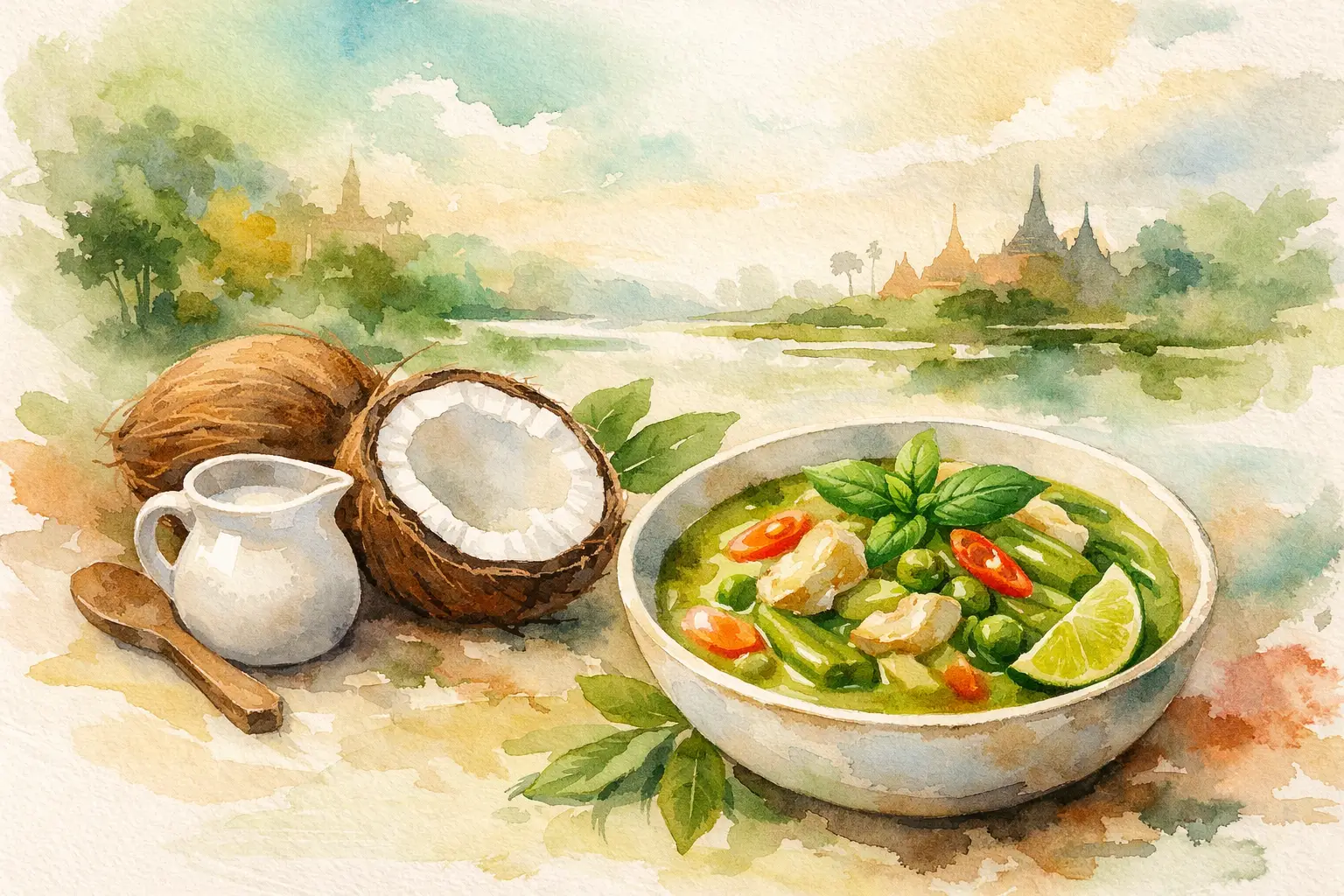
If your green curry tastes thin, harsh, or more like spicy broth than a proper curry, the question usually comes down to one ingredient: can you use coconut milk in Thai green curry? Yes, absolutely. In fact, coconut milk is one of the key ingredients that gives Thai green curry its rich texture, gentle sweetness, and balanced finish.
That said, not every coconut milk gives the same result, and not every green curry should be handled the same way. The difference between a smooth, fragrant curry and a flat, watery one often comes from how the coconut milk is chosen, cooked, and balanced with the curry paste, herbs, and protein.
Can You Use Coconut Milk in Thai Green Curry?
Yes – coconut milk is the standard base for most Thai green curry recipes. It softens the sharp heat from green chilies, carries the aroma of garlic, lemongrass, and kaffir lime leaf, and creates the creamy sauce people expect when they order green curry.
Without coconut milk, you can still make a green curry-style dish, but it will be much lighter, thinner, and more aggressive in flavor. That may work if you want something closer to a spicy herb broth. If you want the familiar restaurant-style curry with a silky sauce that coats chicken, shrimp, beef, or vegetables, coconut milk is the ingredient that brings it together.
In Thai cooking, this balance matters. Green curry is not meant to be only hot. It should taste layered – spicy, savory, slightly sweet, and aromatic. Coconut milk is what helps those flavors sit together instead of competing.
Why Coconut Milk Works So Well
Green curry paste is bold from the start. It typically includes green chilies, garlic, shallots, lemongrass, galangal, shrimp paste, and Thai herbs. On its own, that paste is intense. Coconut milk gives it body and rounds off the edges.
The fat in coconut milk also helps carry flavor. When curry paste is cooked with coconut milk, the aroma opens up and spreads through the sauce more evenly. That is why a good green curry smells as rich as it tastes.
There is also a texture reason. A proper green curry should not feel like soup unless that is the style you want. It should have enough richness to cling lightly to rice, spoon easily over noodles, and hold the flavors of basil, bamboo shoots, eggplant, or your protein of choice. Coconut milk gives the curry that smooth consistency.
Which Coconut Milk Is Best?
This is where results can change quickly. Full-fat canned coconut milk is usually the best choice for Thai green curry. It has the richness needed to support the paste and create a fuller sauce.
Carton coconut milk, the kind often sold as a dairy-free beverage, is usually too thin. It is made for drinking, not for curry. If you use it, the dish may turn out watery and lack the creamy finish that makes green curry satisfying.
Coconut cream can also work, but it is heavier. That can be useful if you want a richer curry, especially for a restaurant-style texture. Still, too much coconut cream can make the sauce feel overly thick or dull the fresh herbal notes. In most cases, full-fat coconut milk gives the best balance.
If you are buying canned coconut milk, shake the can if possible or read the ingredient list. A shorter ingredient list is usually better. Coconut extract and water are ideal. Too many stabilizers can affect how it cooks.
How to Use Coconut Milk the Right Way
Using coconut milk in Thai green curry is not just about pouring it in. Technique matters.
A common method is to start by heating part of the coconut milk in a pan, then cooking the green curry paste in it. This helps the paste bloom and blend into the fat. Once the aroma comes up, the rest of the coconut milk can be added, followed by protein, vegetables, and seasoning.
This step gives the curry a deeper flavor than simply stirring everything together at once. It also helps avoid a raw paste taste.
Heat matters too. A gentle simmer is better than a hard boil. If coconut milk boils too aggressively, it can separate in a way that makes the sauce look oily or grainy. Some separation is normal in traditional cooking and not always a problem, but harsh heat can make the texture less pleasant.
The goal is a sauce that looks smooth, smells fragrant, and tastes balanced.
What If You Want a Lighter Curry?
You can use less coconut milk if you prefer a lighter finish, but the curry will change. It will be sharper, thinner, and more chili-forward. For some diners, that is a good thing. For others, it can make the dish feel incomplete.
A practical middle ground is to use coconut milk with a small amount of stock or water. That keeps the sauce lighter without stripping away the creamy texture completely. This works especially well if you are adding vegetables that release moisture, such as zucchini, mushrooms, or bell peppers.
If you are cooking chicken, shrimp, or tofu, the choice also matters. Delicate proteins usually taste better in a smoother coconut-based sauce. Beef can handle a stronger, reduced curry. Vegetables benefit from enough sauce to absorb the herbal flavor.
Common Mistakes When Using Coconut Milk in Thai Green Curry
The biggest mistake is choosing the wrong product. As mentioned, beverage-style coconut milk usually will not give you the texture or flavor you want.
The second mistake is underseasoning. Coconut milk softens heat and intensity, so the curry may need enough paste, fish sauce, and a touch of sugar to stay balanced. If the dish tastes bland, the coconut milk is not the problem by itself. The seasoning may simply need adjustment.
Another issue is adding too much coconut milk for the amount of curry paste. That can make the curry taste creamy but weak. Green curry should still taste distinctly herbal and spicy.
Overcooking fresh herbs is another common problem. Thai basil, kaffir lime leaf, and green vegetables should taste bright. If they cook too long in the coconut sauce, the curry can lose its fresh character.
Can You Substitute Something Else?
You can, but it will not taste like classic Thai green curry.
Evaporated milk, heavy cream, or dairy milk may add richness, but they do not bring the same flavor. Coconut milk has its own sweetness and aroma, and that is part of the identity of the dish. Cream can make the sauce heavy in the wrong way. Regular milk is too thin and can split.
Nut milks are usually not ideal either. Almond or oat milk may work in a pinch for a mild sauce, but they often taste out of place with green curry paste.
If you need to avoid coconut, it is better to think of the dish as a green curry-inspired sauce rather than a standard Thai green curry. That sets the right expectation from the start.
Flavor Balance Matters More Than Richness Alone
A good green curry is not just creamy. It needs structure. The curry paste brings heat and herbs. Fish sauce adds salt and depth. Palm sugar or sugar adds a touch of sweetness. Thai basil gives freshness. Coconut milk ties these together.
If one part is too strong, the whole dish feels off. Too much coconut milk, and the curry tastes flat. Too little, and the spice can feel harsh. Too much sugar, and it loses its savory edge. That is why restaurant green curry tastes so satisfying when done well – every part supports the others.
At Rustic Thai Kitchen, dishes built around coconut milk, basil, chilies, and Thai herbs work because these ingredients are treated as a balance, not as separate flavors competing in the same bowl.
So, Should You Always Use Coconut Milk?
For a classic Thai green curry, yes. Coconut milk is not an extra. It is part of the dish’s foundation. It gives the sauce its signature body, helps the curry paste bloom, and creates the smooth finish that pairs so well with jasmine rice.
There are lighter variations, and there is always room to adjust based on taste, diet, or what you have on hand. But if your goal is the familiar flavor most people expect from Thai green curry, coconut milk is the right choice.
The best approach is simple: use a good full-fat coconut milk, simmer it gently with the curry paste, and season until the sauce tastes balanced, not just spicy. When that happens, green curry stops tasting like a quick weeknight shortcut and starts tasting the way it should – fragrant, creamy, and ready for the next spoonful.