Can I Make Thai Red Curry Without Coconut Milk?

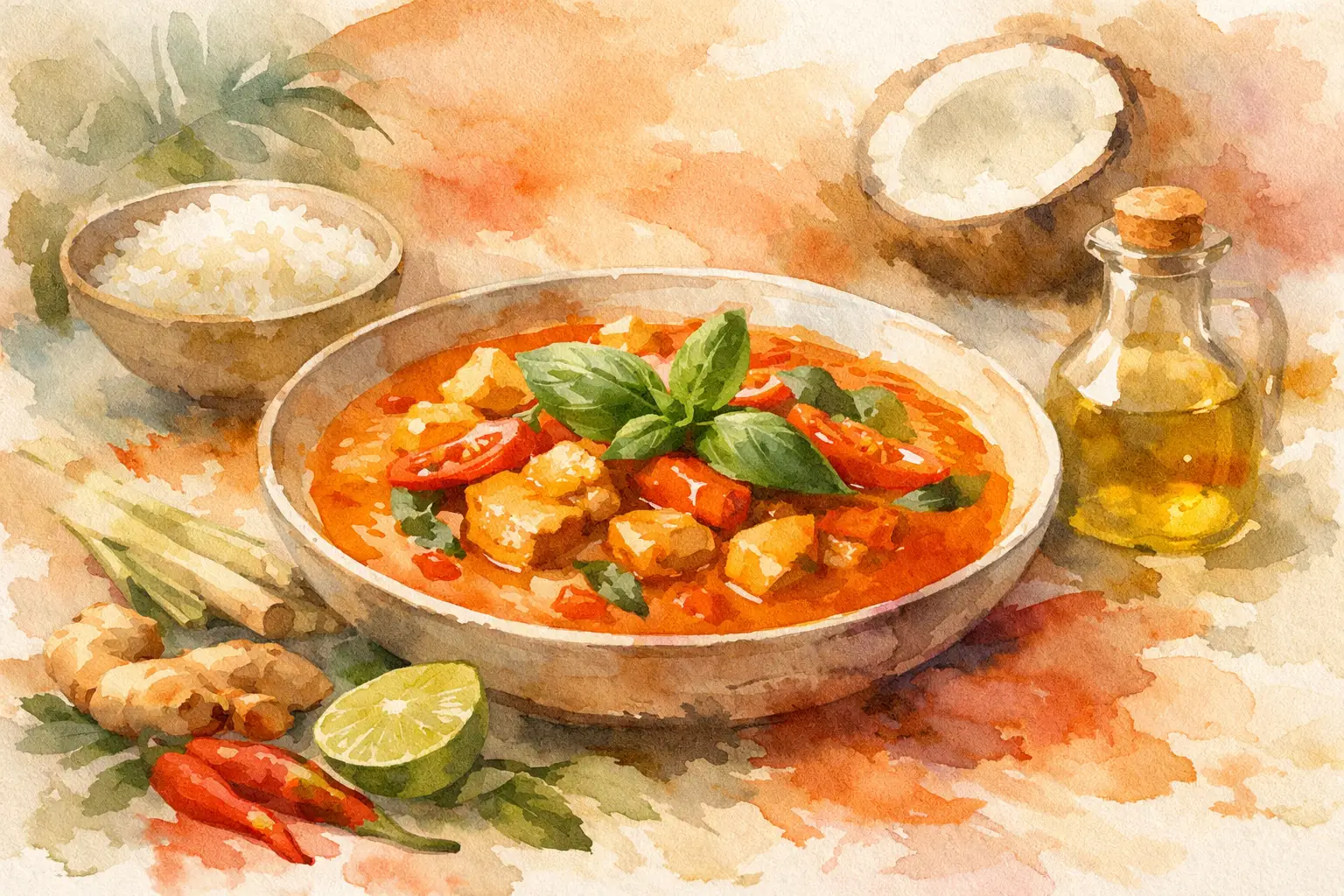
A pot of red curry usually starts with a familiar promise: creamy sauce, red chili paste, and the fragrance of lemongrass, garlic, and kaffir lime leaf. So can i make thai red curry without coconut milk? Yes, you can – but the result depends on what you want to keep most: richness, sweetness, body, or a more traditional Thai flavor balance.
Thai red curry is not just spicy. It is a layered dish built on curry paste, aromatics, liquid, and fat. Coconut milk does a lot of work in that mix. It softens chili heat, carries aroma, adds natural sweetness, and gives the sauce its smooth, full texture. When you remove it, you are not ruining the dish, but you are changing its structure. That means the best substitute is not always the one that tastes most like coconut. It is the one that fits the style of curry you want to eat.
Can I make Thai red curry without coconut milk and still get good flavor?
Absolutely. A red curry without coconut milk can still be bold, savory, and satisfying. In some kitchens, cooks even prefer a lighter version when they want the herbs and spices to come forward more clearly. The curry paste becomes sharper, the chili more direct, and the broth-style finish can feel cleaner on the palate.
What matters is balance. Red curry paste brings heat, salt, garlic, shallot, and dried chili. Depending on the paste, it may also include shrimp paste, galangal, coriander root, and kaffir lime. Coconut milk normally rounds those edges. Without it, you need another ingredient or combination of ingredients to replace that balance.
If you simply stir curry paste into water, the flavor will taste thin and harsh. If you build the sauce with stock, a little fat, and a touch of sweetness, the curry can still feel complete.
What coconut milk does in Thai red curry
Before choosing a substitute, it helps to know what you are replacing. Coconut milk is not there only for creaminess. It also gives the curry a mellow finish and helps the spices bloom into the sauce. That is why red curry made with coconut milk tastes unified instead of separate.
In practical terms, coconut milk adds four things: body, fat, sweetness, and aroma. If your substitute only covers one of those, the curry may still taste off. For example, plain broth gives liquid but no richness. Heavy cream gives richness but changes the flavor profile. Oat milk adds body but may need extra seasoning to avoid a flat finish.
That is the trade-off with any coconut-free version. You can make it delicious, but you have to decide whether you want something close to classic Thai red curry or simply a good curry-inspired dish.
The best substitutes for Thai red curry without coconut milk
For most home cooks, the best substitute is a combination rather than one single ingredient. Stock is the base that keeps the sauce savory. From there, you add creaminess or body depending on preference.
If you want the closest texture, evaporated milk works well. It is thicker than regular milk, less sweet than cream, and gives the sauce a rounded finish without making it too heavy. It is not traditional, but it performs well in red curry.
If you want a lighter curry, use chicken or vegetable stock with a small spoon of neutral oil and a pinch of brown sugar or palm sugar. This gives the curry enough fat and balance to support the paste. The result is thinner than a classic red curry, but it can still be very appealing, especially with chicken, shrimp, or vegetables.
If dairy is fine and you want a richer sauce, half-and-half is usually better than heavy cream. Heavy cream can mute the herbs and push the curry toward a creamy stew rather than a Thai-style sauce. Half-and-half gives softness without taking over.
If you want a nondairy option, unsweetened oat milk or cashew milk are usually better choices than almond milk. Oat milk has a neutral creaminess and blends easily into curry. Cashew milk offers more body. Almond milk tends to be thinner and can leave the sauce tasting watery unless you reduce it.
Greek yogurt can work in small amounts, but it is tricky. It adds tang and body, which may suit some curry versions, but it can easily pull the dish away from Thai flavor. It is better used as a backup option than a first choice.
How to build a coconut-free red curry that still tastes balanced
Start with oil in the pan, not just paste and liquid. Frying the curry paste briefly in oil helps release aroma from the chili, garlic, and spices. This step matters even more when there is no coconut fat in the recipe.
Once the paste smells fragrant, add your protein or vegetables and coat them well. Then pour in stock and your chosen creamy element, whether that is evaporated milk, oat milk, or half-and-half. Simmer gently rather than boiling hard. A fast boil can split dairy and flatten the fresh aroma of the herbs.
Taste early, then adjust in small steps. Most coconut-free red curries need a little sugar and often a little more fish sauce than expected. Sugar does not make the dish sweet. It smooths the chili and supports the aromatic notes in the paste. Fish sauce deepens the savory side. A squeeze of lime at the end can wake everything up, especially if the sauce feels heavy.
Fresh Thai basil is a strong finishing touch in this version. It gives the curry a bright top note that helps replace some of the fragrance people usually expect from coconut milk.
When the dish still tastes thin
This is the most common problem. The curry is spicy enough, salty enough, and still not satisfying. Usually that means it lacks body.
A few fixes work well. Simmer a little longer to reduce the liquid. Add a splash more evaporated milk or oat milk. Stir in a small amount of cornstarch slurry only if you need thickness fast, but use it carefully. Too much turns curry glossy in a way that feels more like takeout gravy than curry sauce.
Another useful fix is to add more fat, not more liquid. A small spoon of oil can do more for the mouthfeel than another cup of stock.
Best proteins and vegetables for this style
A lighter red curry works especially well with chicken, shrimp, tofu, eggplant, bell peppers, bamboo shoots, and green beans. These ingredients absorb the curry sauce without needing it to be very thick.
Beef can work too, but it usually benefits from a richer sauce. If you are making beef red curry without coconut milk, use evaporated milk or cashew milk instead of a broth-only base. That extra body helps the dish feel complete.
For vegetables, avoid overloading the pot. Too many watery vegetables can dilute the sauce and make the curry taste weaker than it should. A few good choices cooked properly will give better flavor than a crowded pan.
Is it still authentic?
This depends on what you mean by authentic. Classic Thai red curry commonly uses coconut milk, and that is the flavor many diners expect. So if you are aiming for the most familiar restaurant-style red curry, coconut milk is part of the identity of the dish.
At the same time, Thai cooking is practical. Cooks adjust for region, ingredients, dietary needs, and preferred texture. A coconut-free red curry can still use real Thai ingredients and still taste rooted in Thai flavor. It is simply a variation with a different finish.
That distinction matters. If someone asks for red curry and expects a rich, creamy bowl, a broth-forward version may surprise them. But if they want the fragrance of red curry paste, basil, chili, and lime without coconut milk, the answer is yes – and it can be very good.
A simple formula that works
For an easy home version, use red curry paste, a little oil, chicken or vegetable stock, and one creamy substitute such as evaporated milk or unsweetened oat milk. Add fish sauce for savoriness, sugar for balance, and basil plus lime at the end for freshness. Keep the sauce gentle, taste as you go, and do not expect it to taste exactly like the classic version.
That last point is the one that helps most. The best coconut-free red curry is not a copy. It is its own dish with the same Thai foundation and a lighter, sharper character. If you cook for flavor instead of chasing a perfect imitation, you will usually end up with a better bowl.
At Rustic Thai Kitchen, that same idea guides every dish: bold flavor first, balanced ingredients second, and no confusion about what is on the plate. If you skip coconut milk, build with care, and season confidently, your red curry can still come out fragrant, savory, and worth making again.