Thai Restaurant Delivery Guide for Better Orders

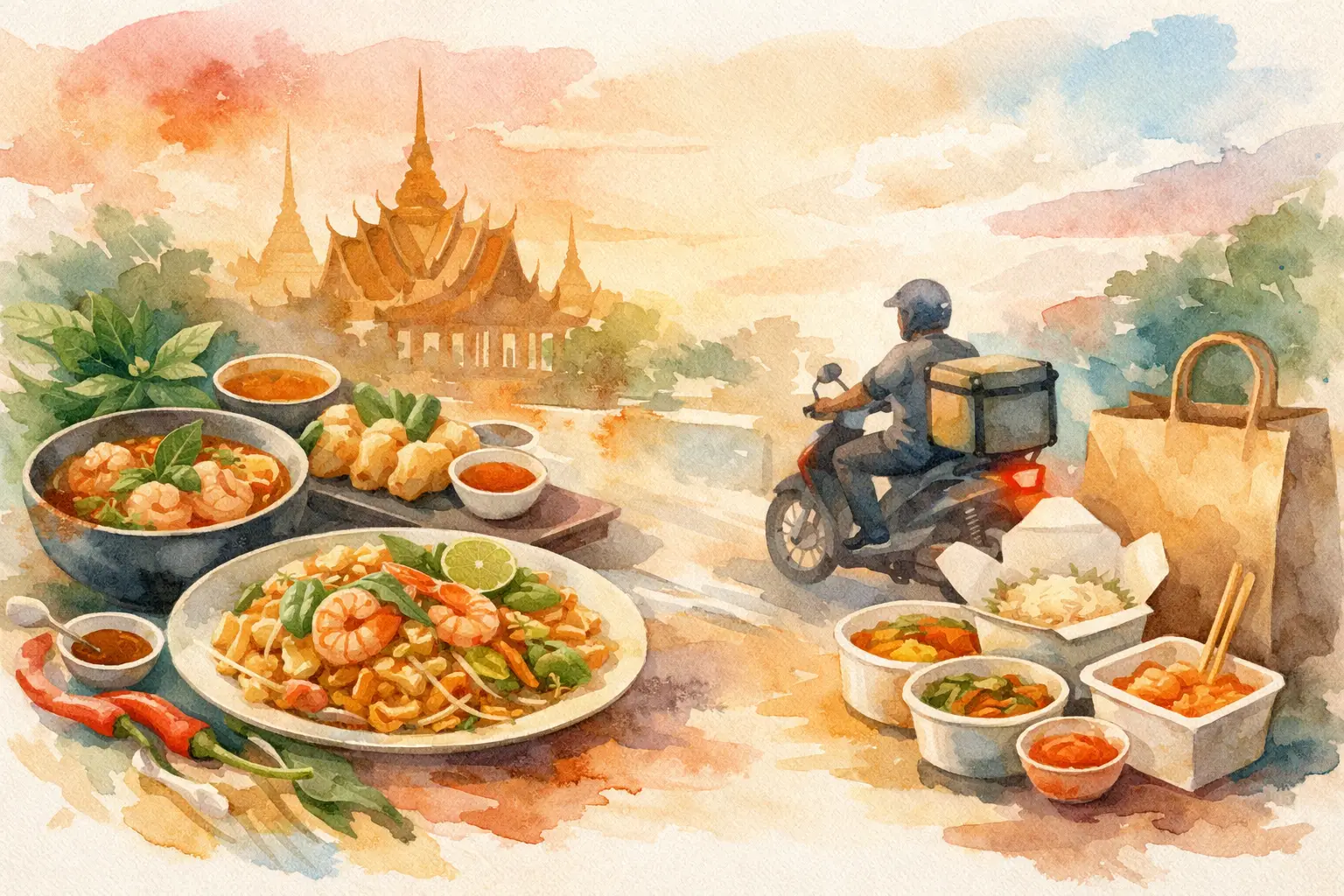
Ordering Thai food should feel easy, not like guesswork between five noodle dishes and three curries that all sound good. This thai restaurant delivery guide is built for hungry people who want bold flavor, smart pairings, and a better at-home meal without overthinking the menu.
Thai delivery works best when you order with texture, spice, and timing in mind. Some dishes travel beautifully and stay balanced from kitchen to doorstep. Others need a little planning so the herbs stay bright, the noodles stay tender, and the crispy items still feel worth it. If you know what each category does well, you can build an order that tastes complete instead of random.
How to use a thai restaurant delivery guide
Start with the kind of meal you want. A solo lunch order is different from a family dinner, and both are different from late-night comfort food. Thai menus are broad for a reason. You might want a light soup and salad one day, then rich curry, stir-fried noodles, and fried rice the next.
Think in layers. A strong order usually includes one dish that feels rich, one that feels fresh, and one that adds crunch or comfort. That balance matters even more for delivery because everything arrives at once. If every item is creamy, the meal can feel heavy. If every item is spicy and sour, you may miss something soothing.
It also helps to order for travel, not just for the table in your mind. Coconut-based soups hold heat well. Saucy stir-fries often reheat better than dry noodles. Papaya salad brings freshness, but fried appetizers are best when eaten first. Good ordering is part appetite and part practicality.
Start with soups that hold flavor on the road
Soup is one of the easiest wins in Thai delivery. It travels well, stays aromatic, and gives the meal a strong starting point. Tom Yum Soup is the clear choice if you want a sharper profile. It brings lemongrass, kaffir leaf, chili, lime, and a savory depth that wakes up your appetite. It is bright, hot, and clean tasting.
Tom Kha Soup is softer and rounder. Coconut milk smooths the heat and carries the fragrance of galangal, mushrooms, and herbs in a gentler way. If you like something comforting but still distinctly Thai, this is usually the better pick.
The trade-off is simple. Tom Yum cuts through rich mains beautifully, while Tom Kha pairs better with spicy stir-fries because it cools the meal down. If you are ordering for a group, choosing one of each often makes more sense than doubling up on one style.
Choose noodles based on texture, not just popularity
Pad Thai is popular because it lands in the middle of the flavor spectrum. Tamarind gives it gentle tang, palm sugar adds sweetness, and peanuts bring texture. For delivery, it is a dependable choice because it stays flavorful even after a short ride. If someone in the group wants a familiar Thai dish, this is usually the safest recommendation.
But Pad Thai is not always the best choice for every appetite. If you want something more savory and less sweet, stir-fried noodles with basil, garlic, or soy-based sauce may be a better fit. Wider rice noodles often hold sauce well and feel more substantial, while thinner noodles can soften faster during delivery.
That is where preference matters. If you are eating right away, delicate noodle dishes can be excellent. If your meal may sit for a few minutes before serving, choose noodles with more sauce or a dish with vegetables and protein that can hold moisture without turning soft.
Curry is the best delivery choice when you want a full meal
Curries are some of the strongest items on a Thai delivery menu because they travel extremely well. The sauce protects the vegetables and protein, keeps the dish hot, and often tastes even more blended after a few extra minutes in the container.
Green curry is a good choice when you want fresh heat. It has chili, basil, and coconut milk, so it tastes lively but still rich. Red curry usually feels deeper and slightly fuller, while yellow curry leans warmer and milder with a softer spice profile.
The key question is what you want from the meal. If you want brightness and herbs, go green. If you want comfort and richness, red is often the better move. If you are ordering for mixed spice tolerance, yellow curry is usually the easiest crowd-pleaser.
Rice matters here too. Curries need enough rice to stay balanced, especially if you are sharing. One curry without enough rice can feel too intense. A simple adjustment in portion planning can make the whole order better.
Fresh dishes keep the meal from feeling too heavy
A lot of people build delivery orders around noodles and curry, then wonder why everything tastes dense by the end. Fresh dishes solve that problem. Green papaya salad brings crunch, acidity, chili, and fish sauce depth that cuts through richer items.
This kind of salad is especially useful if your mains include fried appetizers, coconut-based soup, or heavy stir-fried rice. It wakes everything up. You get contrast, and contrast is what makes a delivered meal still feel restaurant-quality.
If you are new to Thai food, this is also a smart way to try something traditional without committing to a whole meal built around unfamiliar flavors. A fresh salad on the side adds authenticity and balance while keeping the order approachable.
Fried rice and stir-fry are strong group-order choices
When you are feeding more than one person, fried rice and stir-fried mains often work better than multiple noodle dishes. They hold heat well, divide easily, and appeal to a wider range of tastes. Garlic, basil, vegetables, egg, and your choice of protein make these dishes practical without feeling plain.
They are also useful if the group includes both Thai food fans and people who prefer familiar formats. A spicy basil stir-fry still delivers real Thai flavor, but the structure of the dish feels accessible. The same goes for fried rice with shrimp, chicken, or beef. It is easy to share and easy to customize around appetite.
This is where a broad menu helps. Some people want Tom Kha and papaya salad. Others want wings, fried rice, or noodle dishes that feel closer to Chinese-inspired comfort food. A smart delivery order does not have to be strict. It just has to fit the table.
What to order first, and what to eat first
Not every dish should be treated the same once it arrives. Soups and curries can wait a few minutes. Crispy appetizers should not. If you ordered spring rolls, wings, or anything fried, open those first. Steam trapped in the container is the enemy of crunch.
Cold or fresh items should also be unpacked quickly. Salad can wilt if it sits beside hot mains for too long. If dressing or sauce is packed separately, keep it that way until serving.
For the mains, a quick stir can help. Sauces settle during delivery, especially in curry and noodle dishes. Mixing them lightly before eating brings the texture back together and distributes heat and seasoning more evenly.
Spice level is not just about heat
A useful thai restaurant delivery guide should mention this clearly: spice changes the whole dish, not only the burn. More chili can sharpen sour notes, lift herbs, and make sweet ingredients feel less noticeable. That is why a medium-spice curry can taste more balanced to one person and more intense to another.
If you are trying a dish for the first time, middle-of-the-road spice is often the smart move. You will still taste the lemongrass, basil, garlic, galangal, and coconut milk without turning the meal into a challenge. Once you know how a restaurant seasons, you can push higher next time.
This matters even more in group orders. One extra-spicy dish can be great. Making every dish extra-spicy usually limits who enjoys the meal.
Build a better order with contrast
The best Thai delivery orders are rarely five versions of the same thing. A better mix is one soup, one noodle, one curry, one rice or stir-fry, and a fresh or crispy side. That gives you heat, herbs, sauce, crunch, and comfort in one spread.
For one person, the same idea still works on a smaller scale. Pair a soup with a noodle, or a curry with papaya salad and rice. If you want leftovers, curry and stir-fry are usually better next-day choices than delicate fried items.
That is one reason Rustic Thai Kitchen works well for delivery. A menu built around recognizable Thai staples, practical descriptions, and easy online ordering helps you choose fast without losing the flavor details that matter.
Good Thai delivery is not about ordering the most dishes. It is about choosing the right mix so every spoonful and bite still tastes fresh, balanced, and worth looking forward to when the doorbell rings.