How to Order Thai Delivery Without Guessing

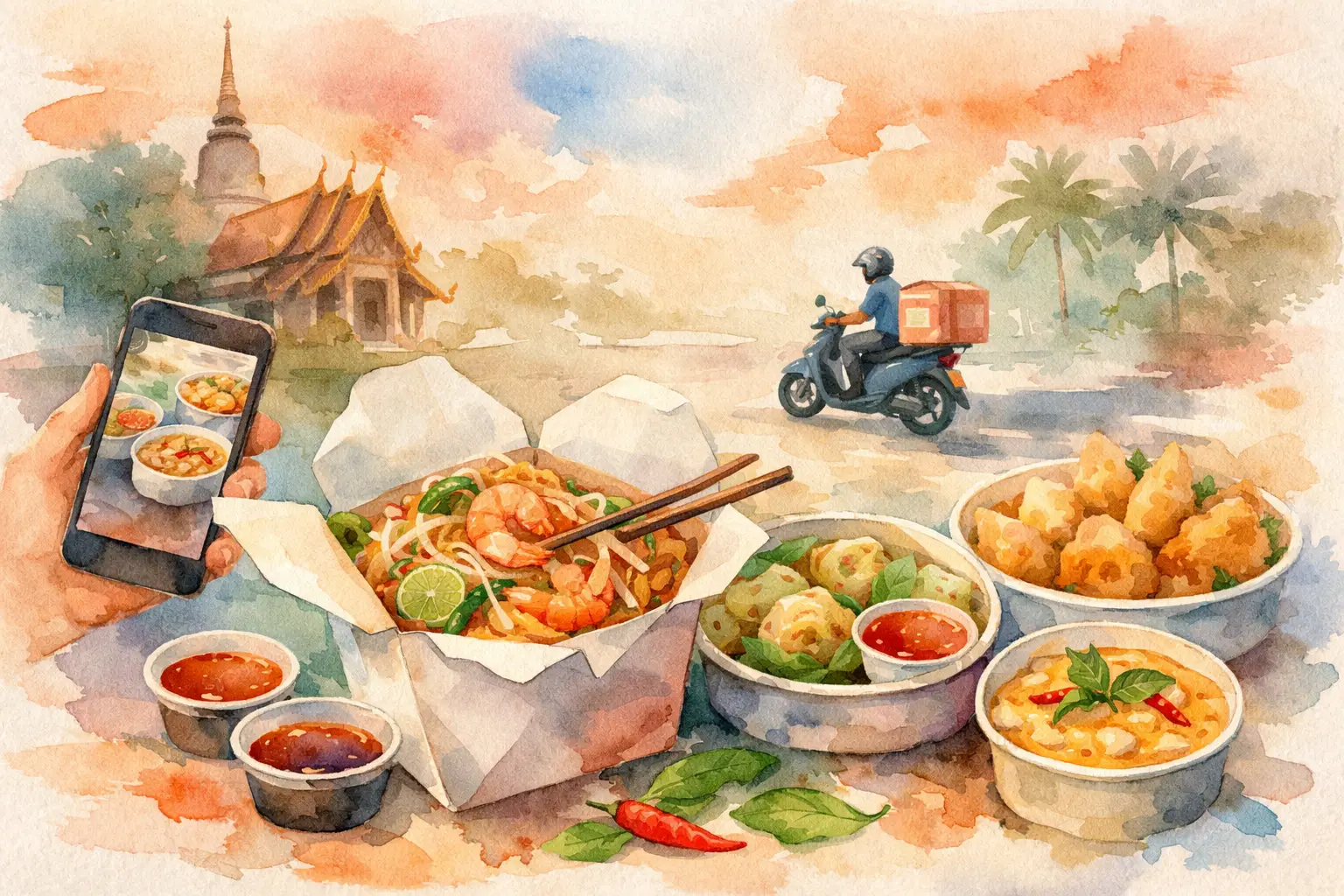
The hardest part of how to order Thai delivery is not checking out – it is choosing well enough that everyone at the table is happy when the bags arrive. Thai food gives you a lot to work with: bright soups, herb-packed salads, rich curries, stir-fried noodles, fried rice, seafood, and easy sides. If you know how the menu is built, ordering gets much faster and much more satisfying.
How to order Thai delivery for the right meal
Start with the kind of meal you want, not just the dish name. If you are ordering lunch for yourself, you probably want one main and maybe one side. If you are ordering dinner for two, think in contrast: something soupy or fresh, something rich, and one noodle or rice dish to make it feel complete. For a family table, variety matters more than picking four heavy entrees.
Thai delivery works best when you balance texture and flavor. A creamy coconut curry next to a dry noodle stir-fry usually lands better than two sauces that taste similar. A hot, sour soup can sharpen the whole meal. A fresh green papaya salad brings crunch that fried rice alone cannot.
That is why the first question should be simple: do you want comfort, heat, freshness, or a mix of all three? Once you answer that, the menu gets easier to read.
Begin with the flavor base
If you are new to Thai food, choose by flavor profile. This is often more useful than trying to memorize dish names.
شوربة التوم يم is for people who like a sharper, lively bowl. It usually brings lemongrass, kaffir leaf, chilies, lime-forward heat, and a clean, savory finish. Tom Kha Soup goes in a softer direction, with coconut milk, galangal, and a creamy, aromatic broth that still has gentle tang and depth.
Curries follow the same logic. A red curry often tastes warm, bold, and slightly deeper. Green curry usually leans brighter, more herbal, and more chili-forward. A coconut-based curry can feel rich and filling, especially if you want a meal that travels well and still tastes full-bodied at home.
For noodles, Pad Thai is familiar for a reason. Tamarind, peanuts, egg, and a sweet-savory balance make it an easy choice for mixed groups. If you want something less sweet and more savory, a basil stir-fry or a garlic-forward noodle dish may suit you better.
Choose dishes that travel well
Not every dish behaves the same in delivery. Soup usually travels well if packed properly. Curries hold heat nicely and often taste excellent after a short ride because the flavors stay concentrated. Fried rice is dependable and easy to share. Stir-fried noodles can be very satisfying, but they are best when ordered with the right expectations: softer noodles are normal after delivery, especially if the sauce is generous.
Crispy appetizers are the category where delivery can be hit or miss depending on distance and timing. Wings, spring rolls, and fried starters are still good choices, but they are best when the delivery window is short. If you live farther away, you may get more value from soups, salads, curries, and rice dishes than from anything that relies on crunch.
This does not mean avoiding appetizers. It just means being realistic. If crisp texture is your priority, order one fried starter and build the rest of the meal around dishes that stay strong in transit.
Build a balanced order
A better Thai order usually has range. One rich dish, one fresh dish, and one practical staple can carry the whole meal.
For one person, that might be Tom Kha Soup with a noodle or rice main. For two people, it could be green papaya salad, a curry, and Pad Thai. For a family, think in categories: one soup, one salad or fresh starter, one curry, one stir-fry, and enough rice to support the sauces.
If your group includes both adventurous and cautious eaters, Thai menus are especially useful because they often sit comfortably next to broader Asian favorites. One person can order Som Tam while another goes for fried rice or chow mein-style noodles. That flexibility matters when you are feeding different age groups or spice tolerances.
The goal is not to order the most authentic-sounding lineup. The goal is to order a meal that people actually finish.
How to handle spice without ruining dinner
One of the biggest mistakes in how to order Thai delivery is treating spice like a challenge instead of a preference. Thai food can be deeply flavorful even when the heat is moderate. If you are unsure, medium is often the safer place to start than very hot.
Heat also lands differently across dishes. A spicy soup feels different from a spicy curry, and both feel different from chilies tossed through a dry stir-fry. Coconut milk can soften the impact. Lime and herbs can make chilies feel brighter. A basil stir-fry with fresh chili may come across more directly than a curry with the same stated spice level.
If you are ordering for a group, it helps to keep most dishes mild to medium and make only one item hotter. That way the table has options. Families especially benefit from this approach, because children and spice-sensitive adults can still enjoy the meal.
Know what to order if you are new to Thai food
If you want a low-risk first order, stay with dishes that are easy to read from the description and broadly appealing in texture. Pad Thai is the obvious starting point, but it is not the only one. Fried rice, mild curries, satay-style appetizers, and coconut soups are all good entry points.
A very safe combination is Tom Kha Soup, Pad Thai, and a curry with jasmine rice. You get broth, noodles, and sauce without repeating the same flavor. If you want something fresher, add green papaya salad, but keep in mind that it can bring real heat, acidity, and crunch. That is great if you enjoy bold food, but it may be intense for someone expecting a soft side dish.
The best first order is not the most famous order. It is the one that matches how you already like to eat.
Ordering for groups, families, and mixed tastes
Large orders need structure. Instead of picking at random, assign roles to dishes. One should be the comfort item, like fried rice or mild noodles. One should be the sauce-heavy centerpiece, like a curry. One should be fresh and bright, like papaya salad or a soup with lemongrass and lime notes. Then add a protein-forward item if the group is especially hungry.
For office lunches or family dinners, rice matters more than people think. Extra rice stretches curries and stir-fries, helps with spice, and keeps the meal from feeling short. It is one of the easiest ways to make a delivery order feel complete without adding too many heavy mains.
This is also where a broad menu helps. A place like Rustic Thai Kitchen can work for mixed groups because the Thai staples sit alongside familiar Asian-style options, so nobody feels stuck choosing outside their comfort zone.
Watch for dish descriptions, not just names
Menu names are useful, but descriptions do the real work. Look for ingredients that tell you the character of the dish. Lemongrass, galangal, and kaffir leaf usually signal an aromatic, distinctly Thai profile. Coconut milk points toward a rounder, richer finish. Tamarind suggests sweet-sour balance. Basil, garlic, and chili often mean a more direct savory hit.
Protein choice matters too. Shrimp and seafood can feel lighter and sharper in soups or stir-fries. Chicken is a safe all-purpose option. Beef often pairs well with stronger sauces. Tofu can be excellent in curries and noodle dishes, especially when you want the sauce and herbs to lead.
If a menu gives clear descriptions, use them. They are there to help you order confidently, not just browse.
The small details that improve delivery
Timing matters. Ordering before peak dinner rush can help with speed and food condition, especially for fried starters and noodles. Grouping your order clearly also helps. If one person wants no spice and another wants extra heat, double-check that each dish is labeled the way you expect before checkout.
Think about what happens after the doorbell rings. If you want a full dinner experience, make room on the table for sharing. Keep bowls ready for soup. Serve curry with rice right away. Open fried items first. These small steps make delivery feel closer to a restaurant meal.
Thai food rewards a little planning. Once you know how to read the menu, balance the order, and match dishes to your appetite, ordering becomes easy. The next time you are deciding what to eat, choose the dishes that give you contrast, comfort, and real flavor – then let the herbs, heat, and coconut-rich sauces do the rest.