Pad Thai Ingredients Guide for Better Flavor

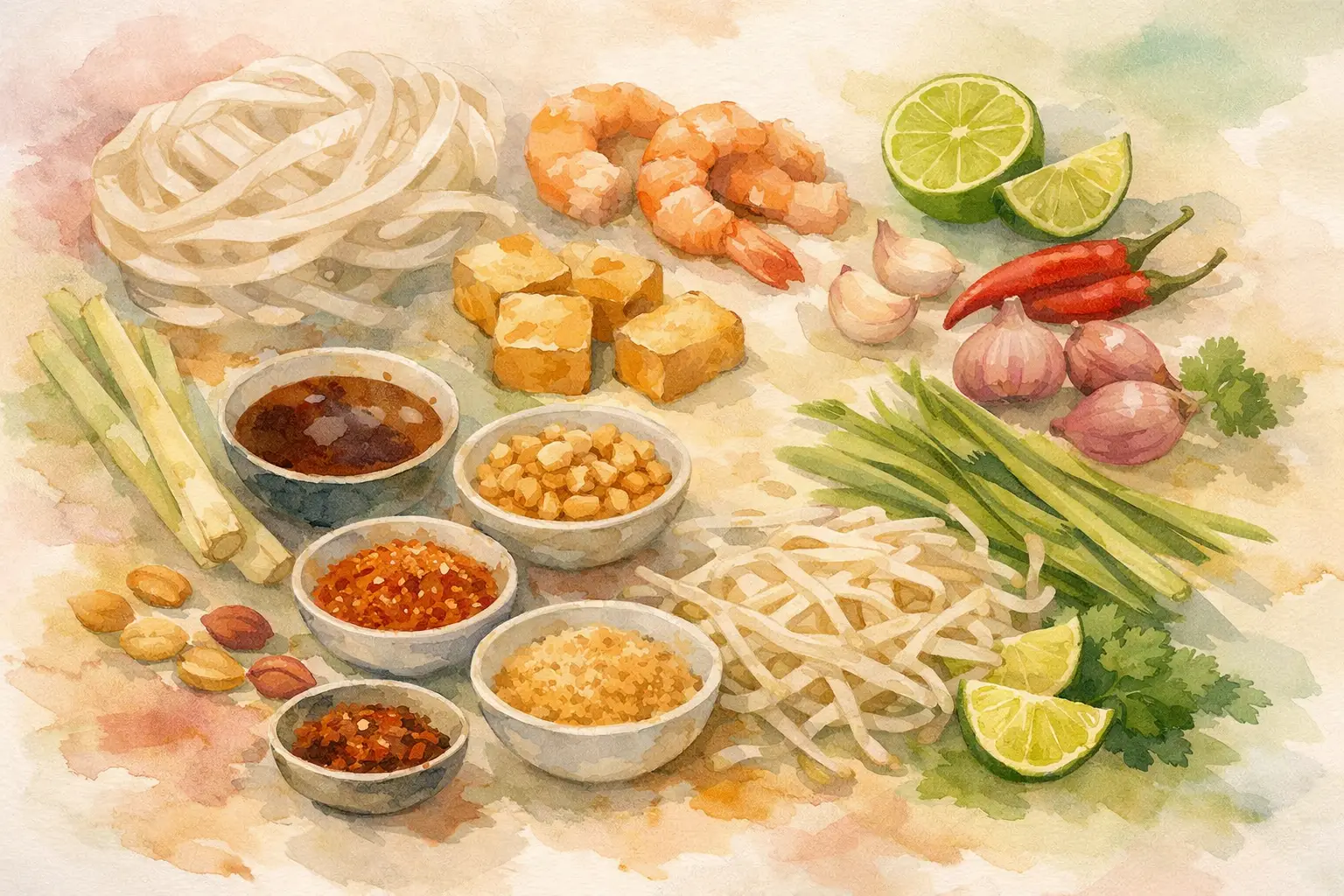
If your Pad Thai has ever tasted too sweet, too flat, or oddly heavy, the issue usually comes down to the ingredients. A good pad thai ingredients guide helps you spot the difference between a quick noodle dish and the balanced, savory-sour-sweet flavor that makes Pad Thai worth ordering again.
Pad Thai looks simple at first glance – rice noodles, sauce, protein, bean sprouts, peanuts. But each part matters, and even small changes can push the dish away from its classic flavor. For anyone ordering Thai food regularly or trying to understand what makes one version better than another, knowing the ingredients makes the choice much easier.
What makes Pad Thai taste like Pad Thai
Pad Thai is built on contrast. The noodles should be soft but not mushy. The sauce should bring sweetness, tanginess, and salty depth without turning syrupy. Fresh toppings should add crunch and brightness. When those elements are in balance, the dish tastes lively instead of one-note.
That balance is why Pad Thai can vary so much from place to place. Some kitchens lean sweeter because it appeals to a wider audience. Others keep the tamarind more forward, which gives the dish a sharper, more traditional edge. Neither is automatically wrong, but it changes the experience.
The key ingredients are fairly recognizable, yet the quality and proportion of each one are what separate a satisfying plate from a forgettable one.
Pad Thai ingredients guide: the core components
Rice noodles
Pad Thai starts with flat rice noodles, usually medium width. These noodles are valued for their soft chew and their ability to absorb sauce without becoming too dense. If the noodles are too thin, they can break apart in the wok. If they are too wide, the dish starts to feel heavier than it should.
Texture matters as much as flavor here. Good Pad Thai noodles should have a slight bounce and a glossy finish from the sauce. Overcooked noodles turn limp quickly, especially in delivery orders, so proper preparation is a major part of a good dish.
Tamarind
Tamarind is one of the most important ingredients in Pad Thai, and it is often the easiest way to tell whether the flavor is well built. It brings the dish its distinct tang – not the sharp acidity of vinegar or lemon, but a deeper, fruitier sour note.
When tamarind is missing or used too lightly, Pad Thai tends to taste overly sweet. Some versions compensate with ketchup or extra sugar, which creates a familiar noodle dish but not the clean balance people expect from a proper Pad Thai.
Fish sauce
Fish sauce gives Pad Thai its salty backbone and savory depth. It does not make the dish taste fishy when used correctly. Instead, it rounds out the tamarind and sugar and gives the noodles a fuller, more layered taste.
For diners who are newer to Thai food, fish sauce is one of those ingredients that works quietly in the background. You notice it more when it is absent than when it is present.
Palm sugar or sugar
Sweetness is part of Pad Thai, but it should support the dish, not dominate it. Traditionally, palm sugar is often used because it has a softer, caramel-like sweetness. Regular sugar is common too, especially in busy kitchens, and it can still work well when balanced properly.
The trade-off is simple. Too little sweetness and the dish can taste sharp and salty. Too much and it loses its freshness. Good Pad Thai should never feel like dessert noodles.
Egg
Egg adds richness and helps bind the noodles and sauce together. It also softens the sharper notes of tamarind and fish sauce. In a well-cooked Pad Thai, the egg should be folded through the noodles rather than sitting in separate dry pieces.
This is a small ingredient with a big effect. Without egg, the dish can feel thinner and less rounded.
Protein choices and how they change the dish
Protein is where باد تاي becomes more personal. Chicken is one of the most common options because it is mild and takes on the sauce well. Shrimp adds a sweeter, seafood flavor that pairs naturally with tamarind. Beef creates a richer, heavier profile, while tofu gives the dish a softer bite and lets the sauce stand out more clearly.
It depends on what kind of meal you want. If you want something classic and easy to enjoy, chicken and shrimp are usually the safest choices. If you prefer a lighter, more sauce-forward bowl, tofu works especially well. Mixed protein versions can be satisfying too, but they can make the flavor feel busier if not handled carefully.
At Rustic Thai Kitchen, this kind of ingredient clarity matters because customers often order quickly and want to know exactly what they are getting. A recognizable protein, paired with a balanced noodle base, makes Pad Thai approachable even for first-time Thai diners.
The vegetables and fresh elements that keep it balanced
Bean sprouts
Bean sprouts are essential to the texture of Pad Thai. They add moisture and crunch, which keeps the noodles from feeling too soft or oily. Some are cooked briefly in the wok, while others may be added fresh for extra bite.
If bean sprouts are skipped, Pad Thai loses one of its most useful contrasts. The dish may still taste good, but it often feels flatter and heavier.
Garlic chives or green onions
Garlic chives bring a mild onion flavor with a fresh, savory edge. Green onions are often used as a substitute and can still work well. This ingredient adds lift and freshness without distracting from the sauce.
This is one of those details that casual diners may not always notice directly, but it contributes to the clean finish that keeps Pad Thai from tasting greasy.
Lime
Lime is usually served on the side, but it should not be treated as an afterthought. A squeeze of lime brightens the noodles and sharpens the tamarind. If your Pad Thai tastes rich but slightly dull, lime usually fixes it fast.
The best part is that you control it. Some people want only a little brightness. Others want the extra acidity to cut through sweetness. That flexibility is part of what makes Pad Thai such an easy dish to customize.
Toppings that finish the plate
Crushed peanuts are one of the signature toppings in Pad Thai. They add nuttiness, crunch, and a roasted flavor that works especially well against the softer noodles and egg. Not every diner wants a heavy peanut topping, but without at least a little, the dish can miss a familiar layer of texture.
Chili flakes are often offered as a table-side or side garnish rather than mixed in heavily. That makes sense because spice preference varies a lot. Pad Thai is not meant to be aggressively hot by default. It should be flavorful first, with heat added to taste.
Some versions may include fresh herbs or extra vegetables, but these are supporting details rather than the foundation. The core identity still comes from noodles, tamarind, fish sauce, sweetness, egg, sprouts, and peanuts.
Common substitutions and what they do to flavor
A practical pad thai ingredients guide also needs to be honest about substitutions. They happen all the time, especially in busy restaurants or markets where ingredients vary. The question is not whether substitutions exist. The question is whether they still produce a balanced dish.
Using vinegar instead of tamarind creates a sharper sourness and usually tastes less rounded. Using soy-based seasoning instead of fish sauce changes the savory profile and can make the dish taste cleaner but less traditional. Replacing peanuts with other nuts may help with allergies, though the flavor becomes less classic.
There is also the sweetness issue. Some very sweet versions of Pad Thai are designed for broad appeal, especially in takeout settings where immediate comfort matters. That does not automatically make them bad. It just means the dish is leaning toward easy sweetness rather than the more distinct sweet-sour-salty balance associated with traditional flavor.
How to judge a good Pad Thai before you order
You do not need to see the wok to make a smart choice. Start with the menu description. If it mentions tamarind, rice noodles, egg, bean sprouts, peanuts, and your choice of protein, that is usually a strong sign that the kitchen understands the basics. If the dish is described only as sweet stir-fried noodles, expect a simpler interpretation.
Photos can help too. Look for noodles that appear glossy rather than wet, with visible fresh toppings and a balanced amount of protein. If everything looks dark brown and overloaded with sauce, the flavor may skew heavy.
It also helps to know your own preference. If you enjoy a sweeter, softer style, a more Americanized or delivery-friendly Pad Thai may suit you perfectly. If you want a brighter, more traditional flavor, look for stronger tamarind notes and fresh garnishes.
Pad Thai is popular for a reason. It is familiar enough for an easy weeknight order, but when the ingredients are handled well, it still delivers depth, contrast, and real Thai character. Once you know what belongs in the dish, it becomes much easier to order the version that actually satisfies.