Spicy Thai Seafood Dishes Worth Ordering

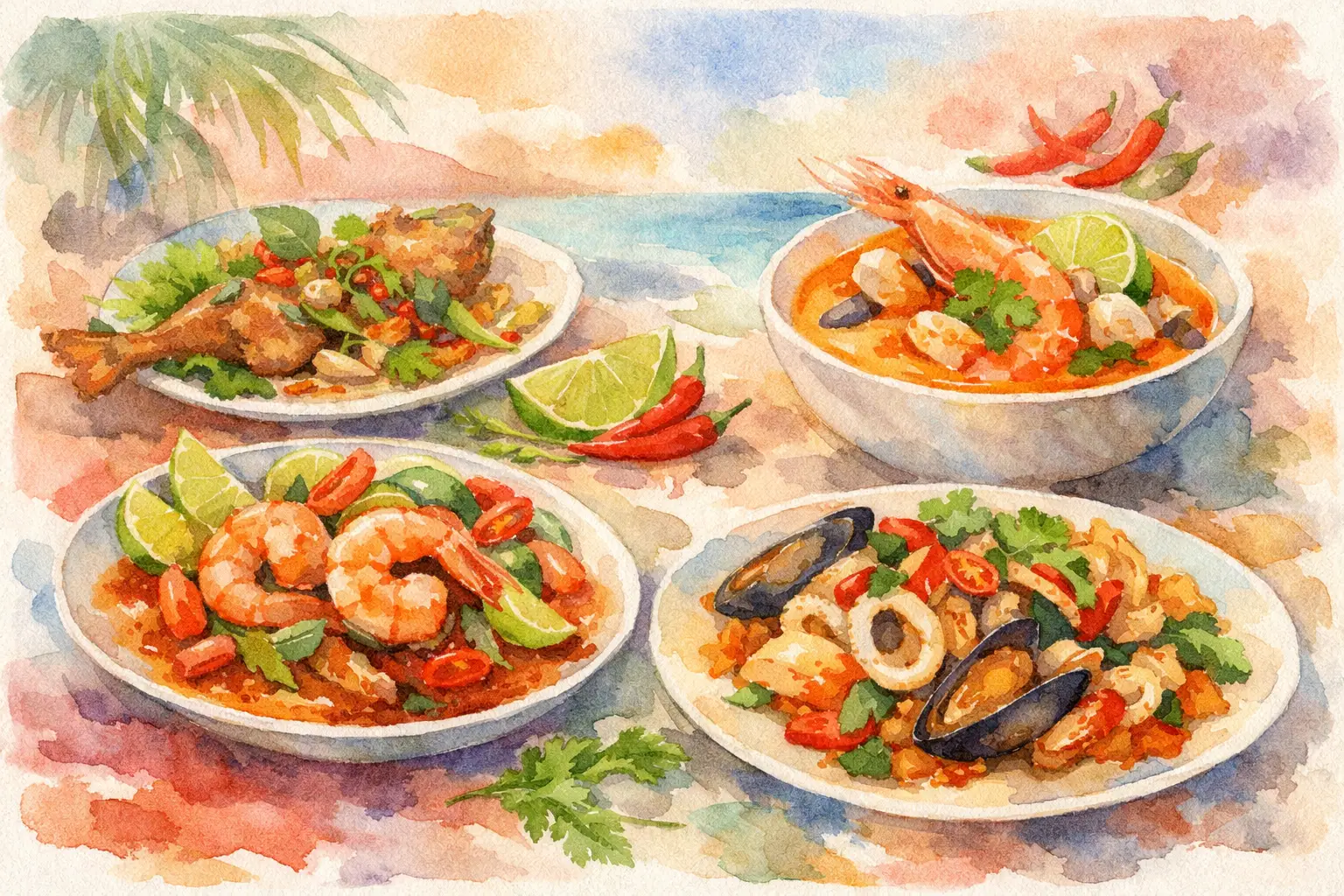
When you are deciding between noodles, curry, or soup, spicy thai seafood dishes usually make the choice easier. They bring the sharp heat, citrusy herbs, and natural sweetness of shrimp, squid, fish, or mussels into one plate that feels lively from the first bite. For anyone who wants a meal with real character, seafood is one of the best ways to experience how Thai spice works.
Thai food is not spicy just for intensity. The heat is there to support other flavors – sour lime, salty fish sauce, fragrant basil, fresh garlic, lemongrass, galangal, and sometimes the gentle richness of coconut milk. Seafood responds especially well to that balance because it cooks quickly and absorbs seasoning without losing its own clean taste.
Why spicy Thai seafood dishes stand out
Seafood changes the whole shape of a spicy dish. Chicken and beef can carry strong sauces, but shrimp, fish, mussels, and squid react differently. They stay lighter on the palate, so the chilies, herbs, and broth feel brighter and more defined.
That is why a spicy seafood soup often tastes sharper and more refreshing than a meat-based one, even when the chili level is high. It is also why stir-fried seafood with basil can feel hot and bold without becoming heavy. The heat lands first, then the herbs come through, then the sweetness of the seafood follows.
For diners ordering at home, this matters. A good seafood dish still feels clear and fresh after delivery if it is built on the right ingredients. Brothy soups, basil stir-fries, and curry-based seafood dishes tend to travel well because the flavors stay distinct instead of blending into one flat note.
The flavor base behind the heat
If you are new to Thai seafood, the easiest way to order confidently is to know what creates the spice profile. In many Thai dishes, heat does not come alone. It is built around ingredients that shape the dish in different directions.
Fresh chilies give immediate heat. Garlic adds depth. Lemongrass and galangal bring a clean, aromatic backbone that makes soups and sauces taste fresh rather than overly rich. Kaffir lime leaf adds a bright, slightly floral edge. Fish sauce brings salt and savory depth, while lime juice sharpens the finish.
Then there is coconut milk, which changes the experience completely. In a seafood curry or coconut soup, spice becomes rounder and softer. The chilies are still there, but the richness makes the dish smoother and more comforting. If you enjoy heat but do not want an aggressively sharp finish, coconut-based seafood dishes are usually the better pick.
The spicy seafood dishes most people come back to
Tom Yum seafood is often the first dish to consider. It is hot, sour, and aromatic, with a broth built around lemongrass, galangal, kaffir lime leaf, chili, and lime. When made with mixed seafood or shrimp, it feels vivid and clean, not heavy. This is a strong choice if you like bold flavor and want the spice to stay front and center.
Tom Kha seafood moves in a softer direction. It still uses Thai herbs, but coconut milk gives the soup a creamy body. You still get chili and citrus, but the overall effect is gentler and more rounded. For many diners, this is the easiest entry point into spicy seafood because it balances heat with comfort.
Seafood basil stir-fry is another standout. Shrimp, squid, or mixed seafood are tossed with garlic, chilies, and Thai basil for a dish that is fast, fragrant, and direct. It usually tastes best with steamed rice because the rice absorbs the sauce and gives the chilies a little space. If you want spice without broth or curry, this is one of the best options on the menu.
Spicy seafood curry brings a deeper, more filling experience. Red curry with shrimp or mixed seafood has a richer chili base, while green curry adds sharper herbal notes. Both work well with seafood, but the choice depends on what kind of heat you enjoy. Red curry tends to feel warmer and fuller. Green curry tastes brighter and a little more aromatic.
Spicy seafood fried rice or noodles are practical favorites for delivery. They are familiar, satisfying, and easy to customize. You still get chili, garlic, and Thai seasoning, but in a format that feels approachable for diners who are not looking for a soup or curry. These dishes are especially useful for mixed households where some people want Thai flavor without going too far into unfamiliar territory.
How to choose the right dish for your spice level
Not every spicy dish feels equally hot. Some are sharp and immediate, while others build slowly. If you know the difference, ordering gets much easier.
If you enjoy strong, clean heat, go for Tom Yum seafood or a chili-basil stir-fry. These dishes usually let the spice stay clear and direct. They are ideal when you want brightness, heat, and a lighter finish.
If you want a spicy dish that feels more balanced and less intense, choose Tom Kha seafood or a curry with coconut milk. The richness softens the edges and makes the heat easier to handle. This is often the better choice for families or for anyone ordering Thai food for a relaxed dinner rather than a full spice challenge.
If you want something familiar, spicy seafood fried rice or noodles are the safest middle ground. They still deliver heat and flavor, but they tend to feel less concentrated than a broth-based soup. For lunch, this kind of dish is often the most convenient.
There is also the question of seafood type. Shrimp is usually the easiest pick because it stays juicy and takes seasoning well. Squid gives a firmer bite and works especially well in stir-fries. Fish can be excellent in curry or soup, but it depends on the cut and how delicately it is cooked. Mixed seafood gives you variety, though the texture will naturally be less uniform than a single-seafood dish.
What pairs well with spicy seafood
A spicy seafood main dish gets even better when the rest of the meal supports it. Rice is the most practical partner because it cools the palate and stretches the sauce or broth. Jasmine rice works especially well with basil stir-fries and curries.
If you are ordering soup, adding a lighter side can keep the meal balanced. Green papaya salad can work if you already enjoy heat and sour flavors, but for some people that combination becomes too intense. A milder appetizer is often a better match if your main dish is already high on spice.
For family-style ordering, balance matters more than variety for its own sake. One spicy seafood dish, one noodle or rice dish, and one milder side usually creates a better meal than ordering several hot items that compete with each other. Thai food tastes best when each dish has room to show its own flavor.
What makes a good spicy seafood dish worth ordering
Freshness is the first thing. Seafood should taste clean, not buried under sauce. The chilies, herbs, and aromatics should make the seafood more vivid, not cover it up.
Balance is the next sign. A good dish gives you heat, but also acidity, savory depth, and aroma. If all you notice is spice, the dish is missing part of what makes Thai food satisfying. The best versions let you taste lime, basil, lemongrass, garlic, or coconut milk clearly alongside the seafood.
Texture matters too. Shrimp should stay tender, squid should not turn rubbery, and fish should hold together without drying out. This is especially important for delivery. Well-cooked seafood keeps its character even after the trip, while overcooked seafood loses its appeal quickly.
At Rustic Thai Kitchen, this is exactly why spicy seafood dishes appeal to both longtime Thai food fans and first-time orderers. They are bold enough to feel special, but familiar enough to fit an easy weeknight meal.
Spicy Thai seafood dishes for different occasions
For a quick solo lunch, spicy seafood fried rice or basil seafood with rice makes sense. It is fast, filling, and easy to eat without turning the meal into a full spread.
For dinner at home, soups and curries are often the stronger choice because they feel more complete and comforting. Tom Yum seafood is ideal when you want something bright and energizing. A seafood coconut soup or curry works better when you want a slower, richer meal.
For sharing, variety helps. A spicy seafood soup alongside noodles or stir-fry creates a table that feels generous without becoming repetitive. Seafood has the advantage of tasting distinctive enough to stand out, even when served with other flavorful dishes.
The best approach is simple: choose the format first, then the spice style. Decide whether you want broth, curry, stir-fry, rice, or noodles. After that, pick between sharp heat or creamy heat. Once you order that way, spicy Thai seafood becomes much easier to enjoy and much easier to come back to.