
Coconut Milk Curry Flavors Explained

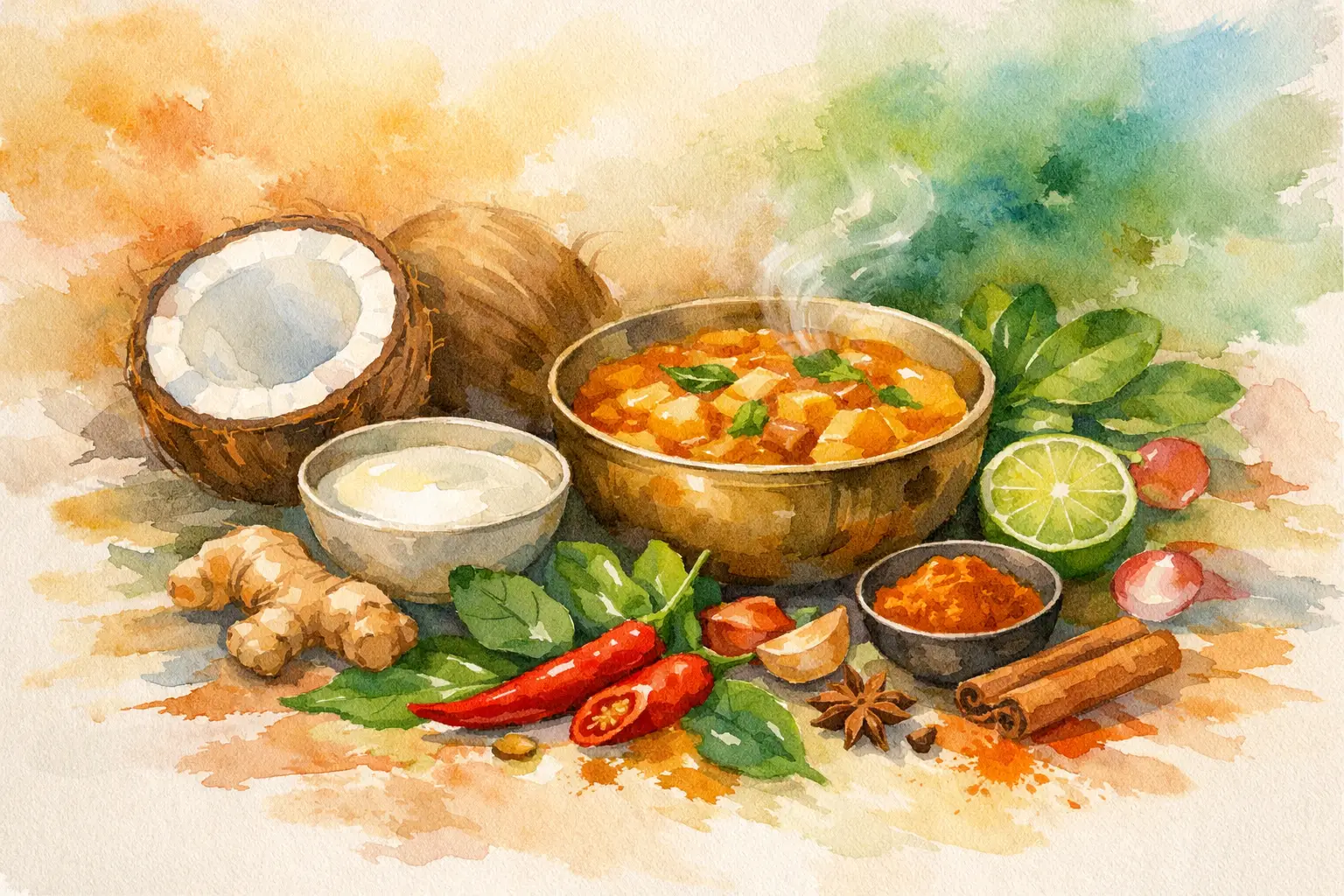
A good curry tells you what it is from the first spoonful. You get the soft richness of coconut milk, then the sharper edges start to show – chili, garlic, lemongrass, kaffir lime leaf, basil, ginger, or warm dried spices depending on the style. That balance is what makes coconut milk curry flavors so memorable. They are creamy without feeling heavy, bold without being one-note, and familiar enough for an easy dinner while still tasting distinct.
For many people, coconut milk is the ingredient that makes curry feel comforting. It rounds out heat, carries aromatics, and gives the sauce a smooth body that clings to chicken, shrimp, beef, tofu, or vegetables. But coconut milk does not make every curry taste the same. The final flavor depends on the curry paste, the herbs, the protein, and how sweet, salty, spicy, and tangy the dish is built.
What shapes coconut milk curry flavors
The biggest factor is the curry paste. In Thai cooking, curry paste is where much of the personality starts. Red curry paste leans into red chilies, garlic, and aromatics for a deep, rounded heat. Green curry paste brings fresh green chilies and herbs for a brighter, sharper profile. Yellow curry usually carries a warmer spice blend with turmeric and a gentler, softer finish. Panang is thicker, nuttier, and often a little sweeter, with a richer texture that feels especially satisfying with beef or chicken.
Coconut milk changes how those flavors land on the palate. It softens aggressive heat and helps fragrant ingredients linger longer. Instead of tasting a direct hit of chili and then nothing else, you get a more layered experience. First comes creaminess, then spice, then the herbal and savory notes. That is why two curries with similar spice levels can feel very different if one has more coconut milk or a thicker reduction.
Fish sauce, palm sugar, and lime also matter. A curry with enough salt tastes fuller. A small amount of sweetness keeps bitterness and spice in check. A little acidity can lift the whole dish and prevent the sauce from tasting flat. If one of those elements is missing, the curry may seem dull or too rich. When they are balanced well, coconut milk curry flavors taste complete rather than simply spicy.
Red, green, yellow, and Panang curry flavors
Red curry
Red curry is often the easiest place to start because it feels balanced and versatile. The flavor is savory, gently sweet from coconut milk, and medium to bold in chili character depending on the kitchen. It usually has enough heat to feel lively, but not so much that it buries the other ingredients. With chicken, shrimp, or mixed vegetables, red curry tends to taste rounded and crowd-pleasing.
For diners ordering online, red curry is often a safe choice when you want something clearly Thai but not too sharp or too earthy. It reheats well, and the sauce usually stays smooth and satisfying.
Green curry
Green curry is more aromatic and often more intense. It has a fresher kind of heat, thanks to green chilies and herbal ingredients. The coconut milk keeps it creamy, but the overall impression is usually brighter and more fragrant than red curry. Thai basil plays a big role here, and that slight peppery sweetness gives green curry its signature lift.
If you like a curry that tastes vivid and herb-forward, green curry usually delivers. If you want something milder or warmer in tone, yellow or Panang may suit you better.
Yellow curry
Yellow curry is smoother and often more approachable for diners who are still getting familiar with Thai curries. Turmeric and other warm spices give it a mellow depth, and the coconut milk brings a softer finish. Potatoes and onions are common, which makes yellow curry feel especially hearty.
That said, mild does not mean bland. A good yellow curry still has spice, sweetness, salt, and aromatic depth. It simply presents them in a gentler way. For families or mixed groups ordering together, yellow curry is often the easiest middle ground.
Panang curry
Panang sits in a richer lane. It is usually thicker than red or green curry, with a denser texture and a flavor that can feel nuttier, sweeter, and more concentrated. The coconut milk is more noticeable here because the sauce tends to reduce further, becoming silky and clingy rather than brothy.
Beef and Panang are a classic match because the richness of the sauce works well with deeper meat flavors. If you like a curry that feels bold, creamy, and slightly sweet with a smooth chili finish, Panang is often the one.
Why coconut milk matters so much
Without coconut milk, many curry pastes would taste too aggressive for a full bowl. Coconut milk acts like a buffer and a bridge. It softens chili heat while helping fat-soluble aromas spread through the sauce. That is why lemongrass, basil, lime leaf, and garlic can seem more expressive in a creamy curry than in a dry spice blend.
Texture is part of the appeal too. Coconut milk gives curry that spoonable, glossy body people expect from restaurant-style Thai dishes. It turns a mix of paste, stock, vegetables, and protein into a finished sauce that feels complete. The richer the coconut milk, the fuller the flavor. The trade-off is that a very rich curry can feel heavier, especially if paired with fried starters or extra-rich sides. Some diners want that comfort. Others prefer a lighter curry with more herbs and broth.
How protein and vegetables change the flavor
The same curry tastes different depending on what goes into it. Chicken absorbs sauce well and keeps the flavor balanced. Beef adds more richness and can make the curry feel deeper and slightly sweeter by contrast. Shrimp brings a natural sweetness and works especially well in red or green curry, where the sauce stays lively. Tofu takes on whatever the sauce gives it, which makes it a strong option if you want the curry flavor itself to lead.
Vegetables also matter more than people think. Bell peppers add sweetness. Eggplant brings a soft, earthy quality that works especially well in green curry. Potatoes make yellow curry feel fuller and milder. Bamboo shoots add texture and a light, clean note that breaks up the richness.
This is one reason curry is such a dependable order. You can choose the same base flavor and still get a different experience depending on the protein and vegetable mix.
What to expect when ordering coconut milk curries
If you are ordering for comfort and broad appeal, red curry and yellow curry are usually the easiest picks. If you want stronger herbal aroma and more noticeable chili character, green curry is often the better choice. If you like a thicker, richer sauce that feels more concentrated, Panang makes sense.
Spice level matters, but it is not the whole story. A medium-spicy green curry can feel hotter than a medium-spicy yellow curry because the herbs and chilies come across more directly. A creamy Panang may seem gentler at first, then build slowly. This is where clear menu descriptions help, especially for diners choosing quickly on an app or ordering for a group.
At Rustic Thai Kitchen, this kind of clarity matters because people are often balancing convenience with flavor confidence. They want to know whether a curry will be creamy, spicy, sweet, or herb-forward before they place the order. The better the description, the easier it is to choose something that fits the mood.
Coconut milk curry flavors and the right pairings
Rice is the obvious pairing because it absorbs sauce and balances spice, but the type of curry still changes the best match. A thicker Panang works beautifully with plain jasmine rice because the sauce already brings plenty of body. A brighter green curry can handle rice and a fresh side like papaya salad if you want contrast. Yellow curry pairs naturally with heartier sides because its warm spice profile feels familiar and filling.
If you are building a full meal, think about balance. A rich coconut milk curry alongside fried appetizers can be satisfying, but also quite heavy. Pairing curry with something acidic, crisp, or brothy keeps the meal from feeling overloaded. That is one of the strengths of Thai-style dining – the dishes often make more sense together than alone.
Why these flavors stay popular
Coconut milk curry flavors work because they meet people in the middle. They offer heat, but not only heat. They bring sweetness, but not dessert sweetness. They feel rich, but can still taste fresh because of herbs and citrus notes. For experienced Thai food fans, that balance is part of the cuisine’s identity. For newer diners, it is what makes curry approachable.
That mix of comfort and character is hard to replace. A coconut milk curry can be an easy weeknight order, a shared family dinner, or the dish someone keeps going back to because it always tastes full and satisfying. If you are choosing your next curry, pay attention to the style, not just the spice level. The best order is usually the one that matches whether you want bright herbs, warm spice, deeper richness, or an all-around classic bowl that gets the balance just right.