
Which Thai Curry Is Mildest? A Clear Guide

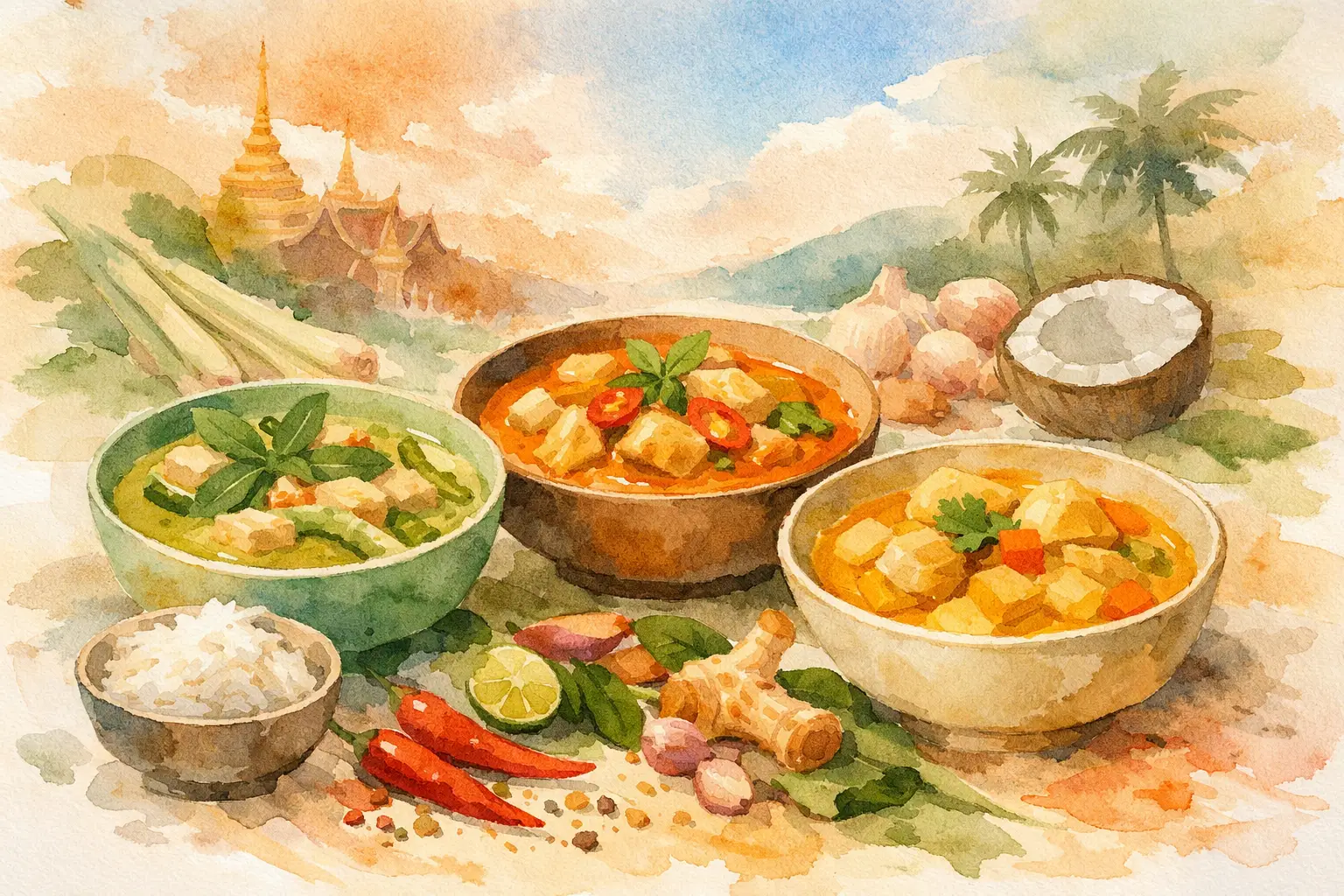
If you are scanning a Thai menu and wondering which Thai curry is mildest, the short answer is usually massaman curry. It is typically the gentlest option on heat, with warm spices, coconut milk, and a slightly sweet, savory flavor that feels easy to enjoy even if you do not usually order spicy food.
That said, Thai curry heat is not one-size-fits-all. The mildest choice depends on the recipe, the curry paste, and how the kitchen balances chilies with coconut milk, herbs, and aromatics. A yellow curry from one restaurant can taste softer than a massaman from another. Still, if you want the safest starting point, massaman is the curry most people find the most approachable.
Which Thai curry is mildest on most menus?
On most menus, massaman curry is the mildest Thai curry, followed closely by yellow curry. Both are usually built on coconut milk, which softens the heat and gives the sauce a smooth, rich body. They are flavorful without being aggressive.
Massaman stands out because its flavor leans more toward warm spice than direct chili heat. You may taste cinnamon, cardamom, cumin, onion, potato, and roasted peanuts along with the curry base. The result is rich and aromatic rather than sharp or fiery.
Yellow curry is also a good entry point. It often includes turmeric, garlic, onion, and coconut milk, with a mild sweetness and a mellow finish. It can still carry some chili, but it is commonly gentler than red or green curry.
If you are new to Thai food, these two are usually the easiest to order with confidence.
How the main Thai curries compare
The reason people ask which Thai curry is mildest is that color does not always tell the full story. A curry can look rich and creamy yet still carry a surprising kick. Here is how the most common styles usually compare.
Massaman curry
Massaman is often the mildest overall. It is creamy, slightly sweet, and layered with spice from ingredients such as cinnamon, cardamom, and cumin rather than heavy fresh chili heat. Potatoes and onions also help round out the flavor, making it feel hearty and balanced.
This is the curry for diners who want depth without burn. If you enjoy dishes that are savory, nutty, and comforting, massaman is usually the best place to start.
Yellow curry
Yellow curry is generally mild to medium-mild. It is smooth, coconut-forward, and often a little sweeter than red or green curry. Turmeric gives it its color, while garlic, onion, and a modest amount of chili shape the base.
For many diners, yellow curry tastes bright and easygoing. If massaman feels too rich or peanut-forward, yellow curry is another smart choice.
Panang curry
Panang sits in the middle. It is usually thicker and richer than red curry, with a creamy texture and a subtle peanut note in many versions. The heat is often moderate rather than intense, but it is not usually the mildest.
Some kitchens make panang fairly gentle, especially when the coconut milk is generous. Others keep it more concentrated, so the chili flavor comes through more clearly. It depends on the house recipe.
Red curry
Red curry is commonly medium in heat. It has a fuller chili presence than yellow or massaman, but the coconut milk still keeps it balanced. You may notice red chili, garlic, lemongrass, and kaffir lime leaf working together in a sauce that tastes bold and fragrant.
If you like some heat but do not want the sharpest option on the menu, red curry is often a comfortable middle ground.
Green curry
Green curry is usually the hottest of the common Thai curries. It often uses green chilies along with Thai basil, eggplant, kaffir lime leaf, and coconut milk. The sauce can look creamy, but the flavor is typically lively, herbal, and much more intense than yellow or massaman.
Not every green curry is very spicy, but if your main goal is mildness, this is usually not the first choice.
Why massaman usually tastes the mildest
Massaman curry does not just contain fewer aggressive chili notes in many recipes. It is also built around ingredients that naturally soften and round the flavor. Coconut milk adds sweetness and richness. Potatoes absorb sauce and mellow the dish. Peanuts contribute body and nuttiness. Warm spices add fragrance without creating the same heat level as fresh chilies.
That balance matters. A curry can be flavorful and still feel gentle if the heat is cushioned by creamy, starchy, or slightly sweet ingredients. Massaman does this especially well, which is why it is often recommended to first-time Thai curry diners.
What can make a curry milder or hotter?
Even if you know which Thai curry is mildest in general, restaurant style makes a difference. Curry heat can shift based on how the paste is prepared, how much chili is used, and whether the dish is adjusted for local preferences.
Coconut milk is one of the biggest factors. A generous amount creates a softer, creamier result. Protein also matters. Chicken and beef often absorb the sauce differently than seafood, and vegetables like potatoes or carrots can make a curry feel less intense. Even the serving size of rice changes the experience, since rice naturally tones down spice.
Then there is the kitchen itself. Some restaurants keep traditional heat levels. Others make dishes more approachable for a broad mix of diners. That is why it always helps to read the description carefully or ask for mild spice if you are sensitive to heat.
The best mild curry choices for different tastes
If you want the safest option, go for massaman curry. It works well for families, first-time Thai food diners, and anyone who prefers rich, savory flavor over heat.
If you want mild but brighter, yellow curry is a strong pick. It usually feels a little lighter and less spiced than massaman, while still being smooth and coconut-based.
If you want creamy with a bit more character, panang can work, but this is where it helps to ask how spicy the house version is. Some are quite mild. Others are noticeably warmer.
If you already enjoy medium spice in other cuisines, red curry may still be comfortable for you. But if you are specifically trying to avoid heat, massaman and yellow are more reliable choices.
How to order a mild Thai curry with confidence
The easiest way to get a curry you will enjoy is to order with your taste in mind rather than by color alone. If spice is a concern, ask for the mildest curry on the menu and request a mild spice level. Most restaurants are used to this question.
It also helps to choose ingredients that support a softer flavor. Chicken, beef, tofu, potatoes, carrots, and onions usually make a curry feel more mellow than dishes built around extra chilies or sharper herbs. Ordering rice on the side makes the meal even easier to balance.
At Rustic Thai Kitchen, dishes are described clearly so it is easier to choose based on flavor, not guesswork. That matters when you want something rich, fragrant, and satisfying without too much heat.
Mild does not mean bland
A lot of diners worry that ordering the mildest curry means missing out on real Thai flavor. Usually, the opposite is true. In a good mild curry, you can taste more of the coconut milk, lemongrass, garlic, onion, spices, and herbs because the chili is not overpowering everything else.
Massaman is a great example. It is mild, but it is not plain. You still get sweetness, savoriness, spice, creaminess, and depth in the same bowl. Yellow curry can do the same with turmeric, garlic, and coconut milk leading the way.
That is why mild Thai curry works so well for takeout and family meals. It delivers comfort and character at the same time.
So, which curry should you choose first?
If your main question is which Thai curry is mildest, choose massaman first and yellow curry second. Massaman is usually the gentlest, richest, and easiest for spice-sensitive diners. Yellow curry is another dependable option when you want something mild, creamy, and familiar.
If you are feeling a little more adventurous, panang is the next step up. Red and green are better saved for when you want more heat and stronger chili flavor.
The best curry is the one that matches your appetite that day. If you want comfort, go mild and enjoy the layers of coconut, herbs, and warm spice without worrying about the burn.