How to Choose Noodle Dishes You’ll Love

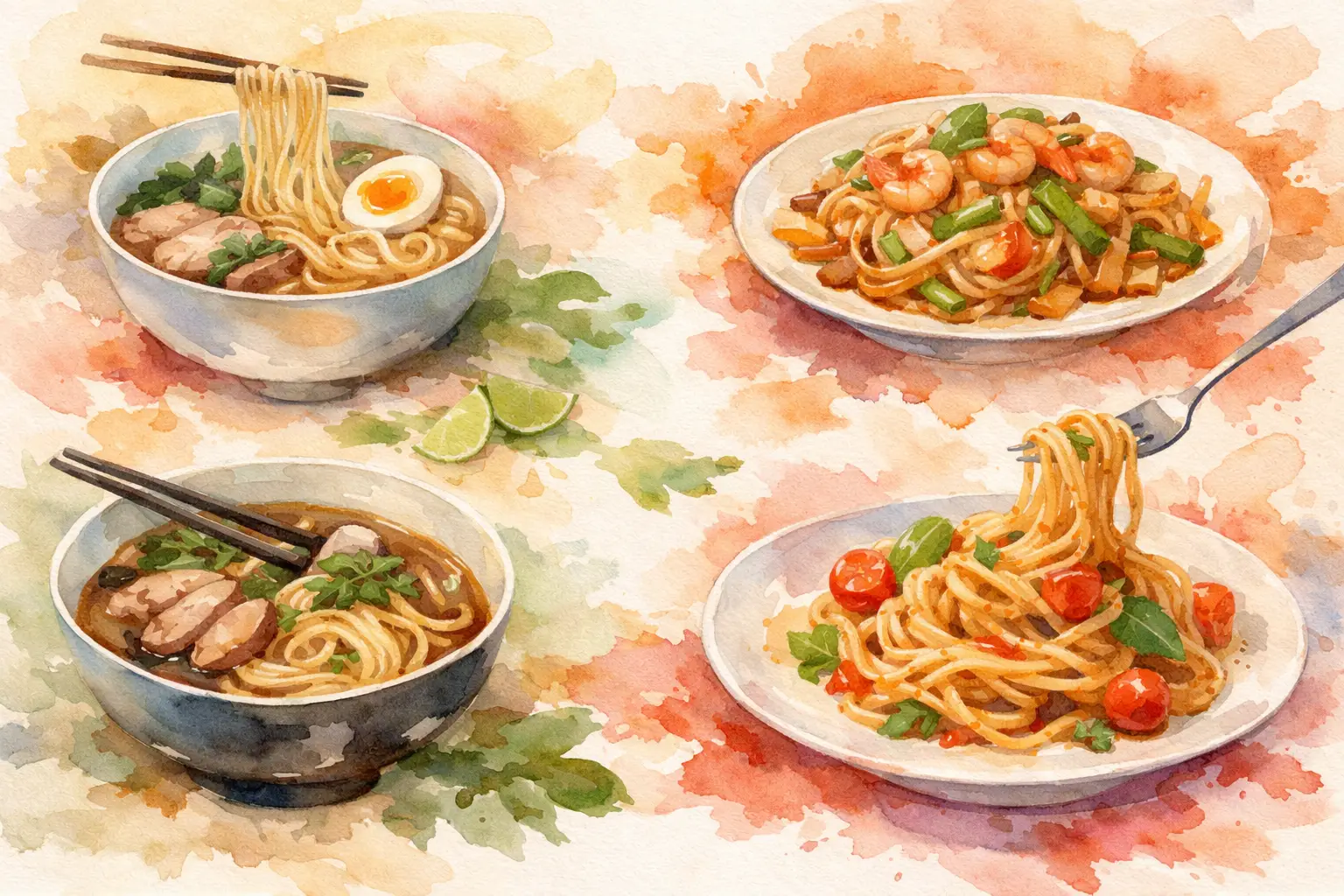
Some noodle orders are exactly right from the first bite. Others sound good on the menu, then arrive too sweet, too heavy, too spicy, or simply not what you were craving. If you’ve ever paused over a menu wondering how to choose noodle dishes without guessing, the easiest place to start is with what you want the bowl or plate to do for you – comfort you, wake up your appetite, fill you up, or bring heat and bold flavor.
Noodle dishes vary more than many people expect. The noodle itself matters, but so do the sauce, protein, vegetables, spice level, and cooking style. A stir-fried noodle with tamarind, egg, and crushed peanuts eats very differently from a garlic-forward chow mein or a silky noodle dish built around soy-based sauce. Once you know what to look for, ordering gets much easier.
How to choose noodle dishes by flavor first
The most reliable way to choose well is to think about flavor before anything else. Many people begin with the noodle shape, but sauce and seasoning decide most of the eating experience. Ask yourself whether you want savory, sweet-savory, tangy, spicy, or creamy comfort.
If you want balance with a little brightness, a dish with tamarind, lime, or a touch of vinegar can be a smart choice. These noodle dishes usually taste lively rather than heavy. Pad Thai is the classic example – rice noodles stir-fried with egg, tamarind-based sauce, bean sprouts, and peanuts often give you sweet, tangy, savory notes in one plate.
If your mood leans rich and comforting, look for darker stir-fried noodles with soy-based sauce, garlic, and soft vegetables. These are often less tangy and more rounded. If you want heat and aromatic flavor, dishes built with chili, basil, black pepper, or fresh herbs will give you more intensity. Thai-style stir-fried noodles often bring that extra lift from basil, garlic, fish sauce, and fresh chili.
This is also where personal preference matters most. If you usually enjoy bold sauces, a lightly seasoned noodle dish may feel flat. If you prefer cleaner flavors, a very sweet or heavily sauced plate can feel overwhelming. The best order is not the most famous one – it’s the one that matches your appetite that day.
Start with the noodle texture
Texture changes the whole dish. Thin rice noodles tend to feel soft and slippery, which works well with tangy or lightly sweet sauces. Wider rice noodles have a more satisfying chew and hold up well to savory stir-fries. Egg noodles often bring more bite and richness, especially in Chinese-inspired dishes.
If you like a silky, easy-to-eat texture, go toward thinner noodles. If you want more chew and a fuller mouthfeel, choose wider noodles or thicker wheat noodles. Some diners care more about sauce than noodle shape, but if texture is what makes a dish satisfying for you, this step matters.
A practical tip for delivery: thicker noodles usually travel better. Very delicate noodles can soften further on the way, especially in saucy dishes. If you’re ordering at home and want the noodles to keep more structure, a heartier stir-fry may be the safer pick.
Soft, chewy, or crisp-edged?
Not all stir-fried noodles are cooked the same way. Some are intentionally soft and coated in sauce. Others have a little char from the wok, with crisp edges and a smoky finish. If you enjoy that wok-fired taste, look for dishes described as stir-fried with garlic, soy sauce, basil, or mixed vegetables over high heat.
That slight char gives depth and keeps a noodle dish from tasting one-note. If you prefer gentler comfort food, softer noodle dishes with milder seasoning may be more your style.
Match the sauce to your appetite
One of the simplest answers to how to choose noodle dishes is to decide how heavy or light you want the meal to feel. Sauce is the biggest factor here.
A lighter noodle dish usually has less oil, less sugar, and a cleaner seasoning profile. You may taste herbs, lime, garlic, or broth-like savory notes more clearly. These are good choices for lunch or for diners who want flavor without feeling too full afterward.
A richer noodle dish may include a thicker stir-fry sauce, more egg, more oil, or a sweeter finish. These are satisfying when you want a full dinner, especially if you are hungry and want something comforting. Neither style is better. It depends on whether you want refreshment or indulgence.
Pay attention to menu wording. “Garlic sauce,” “soy sauce,” “brown sauce,” and “sweet tamarind sauce” each suggest a different direction. Garlic and soy often lean savory. Tamarind brings sweet-sour balance. Chili paste or basil sauces usually bring stronger aromatics and more heat.
Choose by spice level honestly
People often overestimate how much heat they want. It sounds appealing when you order, but if the spice dominates the dish, you miss the herbs, noodles, vegetables, and protein underneath.
If you enjoy heat but still want balance, choose medium spice or a dish that uses chili as part of the flavor rather than the whole point. Thai food shines when spice works alongside garlic, basil, lime, lemongrass, or fish sauce. If you are not sure, start milder and build up next time.
For families or group orders, this matters even more. A mild or medium noodle dish is usually the easiest shared option. A very spicy noodle plate is better when you are ordering for yourself and know exactly what you like.
Heat should support, not flatten
Good spice gives energy to the dish. Too much spice can flatten the other flavors, especially in noodles where the sauce already carries sweetness, salt, and aromatics. If you want a dish with complexity, not just burn, choose one known for layered seasoning instead of maximum heat.
Think about protein and vegetables
Protein changes both flavor and weight. Chicken is usually the easiest all-around option because it works well with most sauces and keeps the dish familiar. Beef tends to make noodle dishes feel richer and more savory. Shrimp adds sweetness and a lighter finish. Tofu is excellent when you want the sauce and herbs to come forward more clearly.
Vegetables matter more than many diners realize. Bean sprouts, Chinese broccoli, carrots, cabbage, onions, and bell peppers all affect crunch, sweetness, and freshness. If you want contrast in texture, choose a noodle dish with more vegetables. If you want something softer and more comfort-driven, simpler noodle plates with fewer vegetables may suit you better.
This is especially useful for mixed appetites. Someone wanting a fuller meal may prefer beef or chicken with a darker stir-fry sauce. Someone wanting a lighter dinner may enjoy shrimp or tofu with crisp vegetables and less sauce.
Consider the setting – dine-in or delivery
A dish that shines at the table may not always be the best delivery choice. That does not mean it won’t still taste good, but a few smart adjustments help.
For dine-in, you can order more delicate noodle dishes because they arrive at the ideal texture. Thin noodles, fresher herbs, and lighter sauces often show best right away. For delivery, dishes with slightly firmer noodles and stronger stir-fried sauces tend to hold up better during the trip.
This is one reason practical menus work so well. When a restaurant offers clear descriptions by noodle type, sauce, and protein, customers can order with more confidence. Rustic Thai Kitchen, for example, presents familiar Thai and Asian noodle options in a way that helps first-time and repeat customers know what to expect.
When to choose Thai noodles over Chinese-style noodles
If you are deciding between Thai and Chinese-inspired noodle dishes, think about flavor structure. Thai noodle dishes often push balance – sweet, sour, salty, spicy, and herbal notes in one dish. Chinese-style noodles more often lean savory, garlicky, soy-forward, or smoky from the wok.
Neither category is too broad to make a perfect rule, but the distinction helps. If you want brightness, peanuts, lime, tamarind, basil, or fish sauce, go Thai. If you want deeper soy flavor, springier egg noodles, and a more straightforward savory profile, Chinese-style noodles may be the better fit.
This matters when you are ordering for a group. Thai noodles can feel more layered and lively. Chinese-inspired stir-fried noodles are often the safer comfort choice for diners who want something familiar and savory.
The fastest way to order with confidence
If you want a shortcut, ask yourself four things: do I want soft or chewy noodles, light or rich sauce, mild or spicy flavor, and chicken, beef, shrimp, or tofu? Once you answer those, the menu narrows quickly.
That simple check keeps you from ordering by name alone. A popular dish can still be the wrong dish for your mood. When you match texture, sauce, spice, and protein to the appetite you actually have, your order makes sense before it arrives.
The best noodle dish is rarely the one with the most ingredients or the boldest description. It’s the one that fits the moment – whether you want tangy Pad Thai after a long day, a savory stir-fry with basil and chili, or a dependable soy-based noodle plate that travels well. Order for the craving you have now, and the meal usually takes care of the rest.