Thai Menu Guide for Beginners

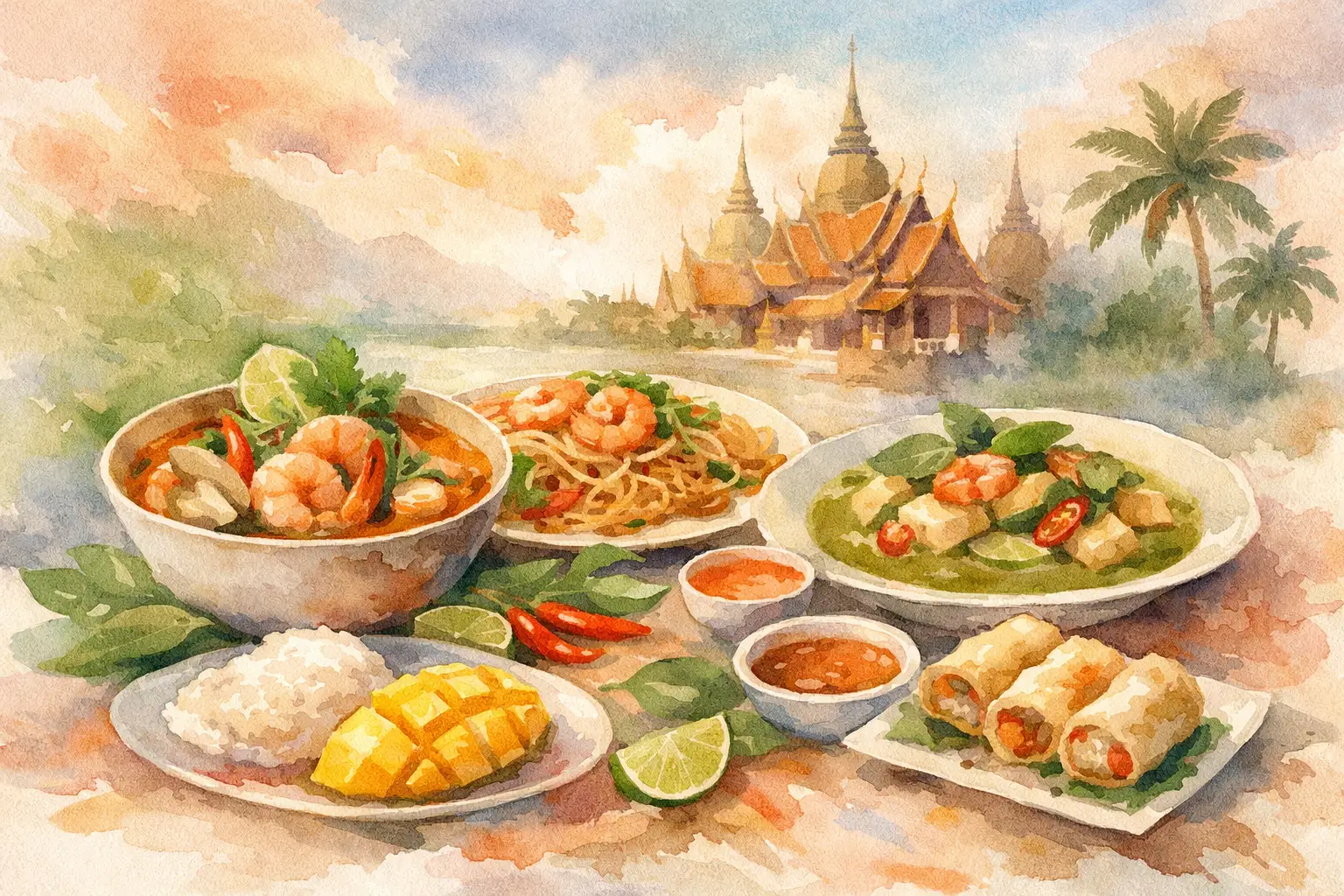
You open a Thai menu, spot names like Tom Yum, Pad See Ew, Som Tam, and Panang Curry, and suddenly every option sounds good but not equally safe. This thai menu guide for beginners is built for that exact moment – when you want something flavorful, satisfying, and easy to choose without guessing.
Thai food is friendly once you know how menus are usually organized. Most dishes fall into a few clear groups: soups, salads, curries, noodles, rice dishes, stir-fries, and appetizers. The names may be unfamiliar at first, but the flavors are not random. Thai cooking is known for balance – sour lime, savory fish sauce, sweetness, fresh herbs, gentle coconut richness, and heat from chilies. Once you know what each category tends to deliver, ordering gets much easier.
How to read a Thai menu guide for beginners
Start by deciding what kind of meal you want. If you want something comforting and mild, look at coconut-based soups, fried rice, or stir-fried noodles. If you want brighter flavor and more punch, salads and clear soups are often sharper, more herbal, and more sour. Curries sit somewhere in the middle depending on the type.
It also helps to read ingredient cues instead of just dish names. If a description mentions lemongrass, galangal, kaffir lime leaf, and lime juice, expect a fresh, aromatic dish with citrusy depth. If it mentions coconut milk, the result is usually creamier and softer on the palate. Tamarind often points to a gentle sweet-sour note, while basil, garlic, and chilies usually mean a more savory stir-fry with heat.
For first-time orders, there is no prize for choosing the most traditional or the spiciest dish. The best first choice is the one that fits how hungry you are, how much spice you actually enjoy, and whether you want noodles, rice, or soup.
The easiest Thai dishes for first-time orders
If you are new to Thai food, Pad Thai is often the safest starting point. It usually combines rice noodles with tamarind sauce, egg, bean sprouts, and a balance of sweet, savory, and light tang. It is familiar enough for almost anyone, but still has the signature Thai flavor profile that makes it more interesting than standard stir-fried noodles.
Pad See Ew is another beginner-friendly option, especially if you prefer deeper savory flavor over tangy sweetness. These wide rice noodles are stir-fried with soy-based seasoning, often with egg and Chinese broccoli. It is softer, richer, and less bright than Pad Thai.
For rice lovers, Thai fried rice is a practical entry point. Jasmine rice, egg, vegetables, and your choice of protein make it easy to customize. It tends to be less intense than salads or soups, so it works well for anyone who wants flavor without too much heat or acidity.
Among curries, Panang Curry and yellow curry are usually easier for beginners than very spicy options. Panang is creamy and slightly sweet with a thicker texture, while yellow curry often feels warm and mellow with coconut milk and gentle spice. Green curry can also be a great choice, but it usually brings more herbal heat.
Thai soups: clear, creamy, or spicy
Thai soups can be the best way to understand the cuisine fast because they show the core ingredients clearly. Tom Yum is hot and sour, usually built with lemongrass, galangal, kaffir lime leaf, chilies, and lime. It is bold, aromatic, and sharper than many first-timers expect. If you like bright flavors and a little heat, it is an excellent choice.
Tom Kha uses many of the same herbs but adds coconut milk. That changes the whole experience. It becomes creamier, softer, and more rounded while still keeping the citrusy aroma. For many beginners, Tom Kha is the more approachable soup because the coconut milk balances the sour and spicy elements.
If you are ordering soup as part of a larger meal, think about contrast. A creamy curry plus Tom Kha may feel heavy together, while Tom Yum next to fried rice or noodles keeps the meal lighter and fresher.
Curries explained without the guesswork
A good thai menu guide for beginners should make curries feel less mysterious. The color is a clue, but it does not tell the whole story. Green curry is usually more herbal and lively, with green chilies, Thai basil, and coconut milk. Red curry is often richer and a little deeper in flavor. Yellow curry tends to be softer and more familiar for diners who enjoy mild, comforting sauces.
Panang Curry is worth separate attention because it is a common favorite. It is thick, creamy, slightly sweet, and often less soupy than other curries. If you want something rich that coats rice well, this is a smart first order.
Massaman curry, where available, is another gentle entry point. It often includes warm spices and a slightly sweeter, fuller profile. It is not the best example of bright Thai heat, but it is excellent if you want a slower, more comforting flavor.
The trade-off with curries is simple. The milder, creamier options are usually easier for beginners, but the sharper and spicier ones often show more of Thai cuisine’s contrast and energy. It depends on whether you want comfort first or intensity first.
Noodles, rice, and stir-fries
Thai menus often give you several familiar-looking choices here, but the sauces and textures matter. Pad Thai is sweet-tangy and balanced. Pad See Ew is savory and soft. Drunken noodles, often called Pad Kee Mao, usually bring more chili, garlic, and basil, making them bolder and spicier.
Rice dishes are often the easiest for groups because they pair well with almost anything. Fried rice works for cautious eaters, children, or anyone mixing Thai food with more familiar favorites. Steamed jasmine rice is also the quiet hero of many orders. It balances spicy curries, soaks up sauce, and gives you room to enjoy stronger flavors without feeling overwhelmed.
Stir-fries are a good middle ground if you want vegetables, protein, and sauce without the richness of curry. Basil chicken, garlic stir-fries, and mixed vegetable dishes usually deliver direct, savory flavor. They are practical choices for lunch or delivery because they travel well and still taste clean and fresh.
Thai salads and appetizers
Thai salads are not side salads in the usual sense. They are often punchy, spicy, sour, and very alive with herbs and dressing. Green papaya salad, or Som Tam, is one of the best examples. It is crisp, tangy, and often quite spicy, with lime, fish sauce, chilies, and a refreshing crunch. Beginners who enjoy bold flavor may love it. Beginners looking for something mild may want to save it for a second or third order.
Appetizers help if your table has mixed comfort levels. Spring rolls, wings, satay, or fried starters give everyone an easy entry point while one or two more traditional dishes round out the meal. This is often the smartest approach for groups because some people want curry while others just want noodles and a reliable side.
How to choose spice level wisely
Spice is where many first orders go wrong. Thai food can be beautifully spicy, but the goal is flavor, not proving a point. If you are unsure, order mild or medium first, especially with dishes known for chilies like green curry, Tom Yum, or papaya salad.
A dish does not need high heat to taste authentic. Herbs, garlic, lime, tamarind, and coconut milk carry a huge part of Thai flavor. Starting lower on spice lets you taste those details. You can always go hotter next time once you know how a kitchen builds heat.
A smart first Thai order
If you want a low-risk first meal, pair one soup, one noodle or rice dish, and one curry or stir-fry. Tom Kha with Pad Thai and Panang Curry is a very approachable combination. If you like more spice and freshness, try Tom Yum with basil stir-fry and jasmine rice.
For solo orders, keep it simple. Choose one main that matches your mood: Pad See Ew for comfort, green curry for bold flavor, fried rice for familiarity, or Tom Kha if soup sounds better than a heavier plate. At Rustic Thai Kitchen, that kind of menu structure makes online ordering easier because you can read by category and quickly match the dish to how you want your meal to feel.
The best Thai order is not the most adventurous one on paper. It is the one that gives you the right balance of heat, herbs, richness, and comfort for that meal. Start with one dish you recognize, add one that stretches your taste a little, and by your second order, the menu will already feel much more familiar.